

The product team is planning to enter the Thai market and is conducting preliminary research to understand the habits of Thai parents in using smart monitors.
Exploratory research
To gain a deep understanding of the usage scenarios for baby cameras in Thailand.
Feature validation
To assess the suitability of existing product features for the Thai market.
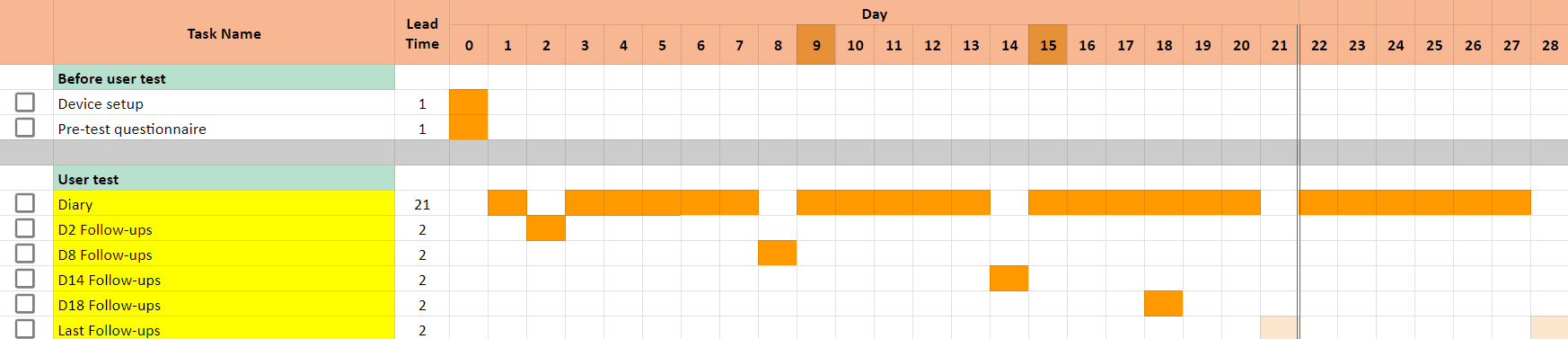
Diary study
Thematic Questionnaire for validated feature
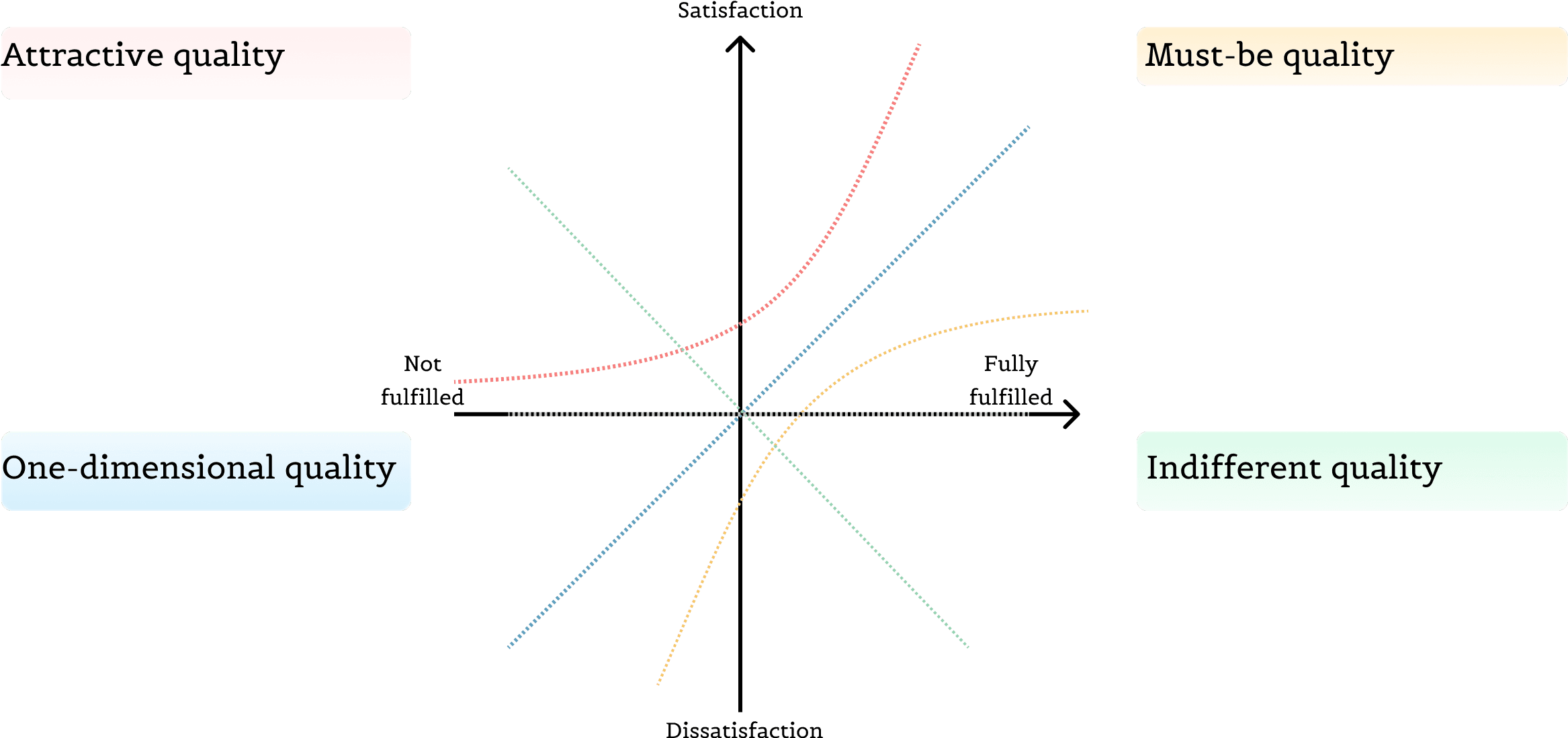
Kano model - Customer requirement classification
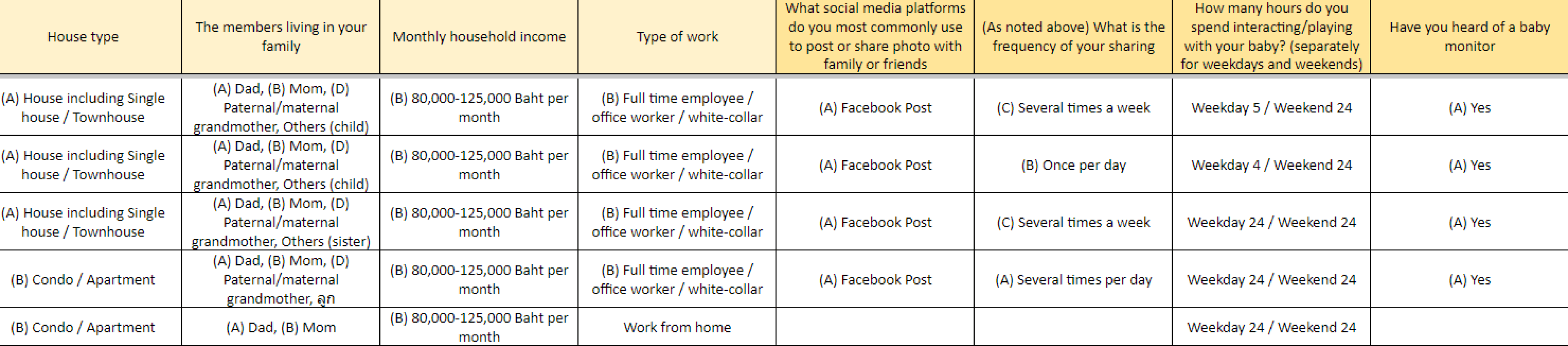
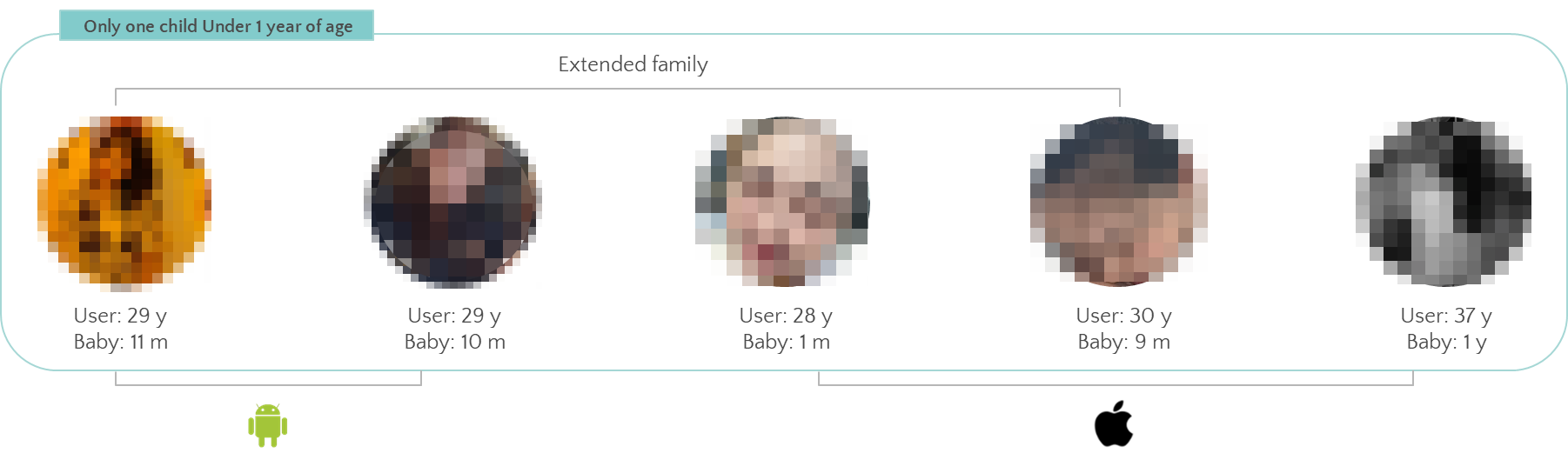
Baby age: 0-3Y for Product 1.0, 0-6Y up for Product 2.0
Interested in IP cam which expected to be used in monitoring baby
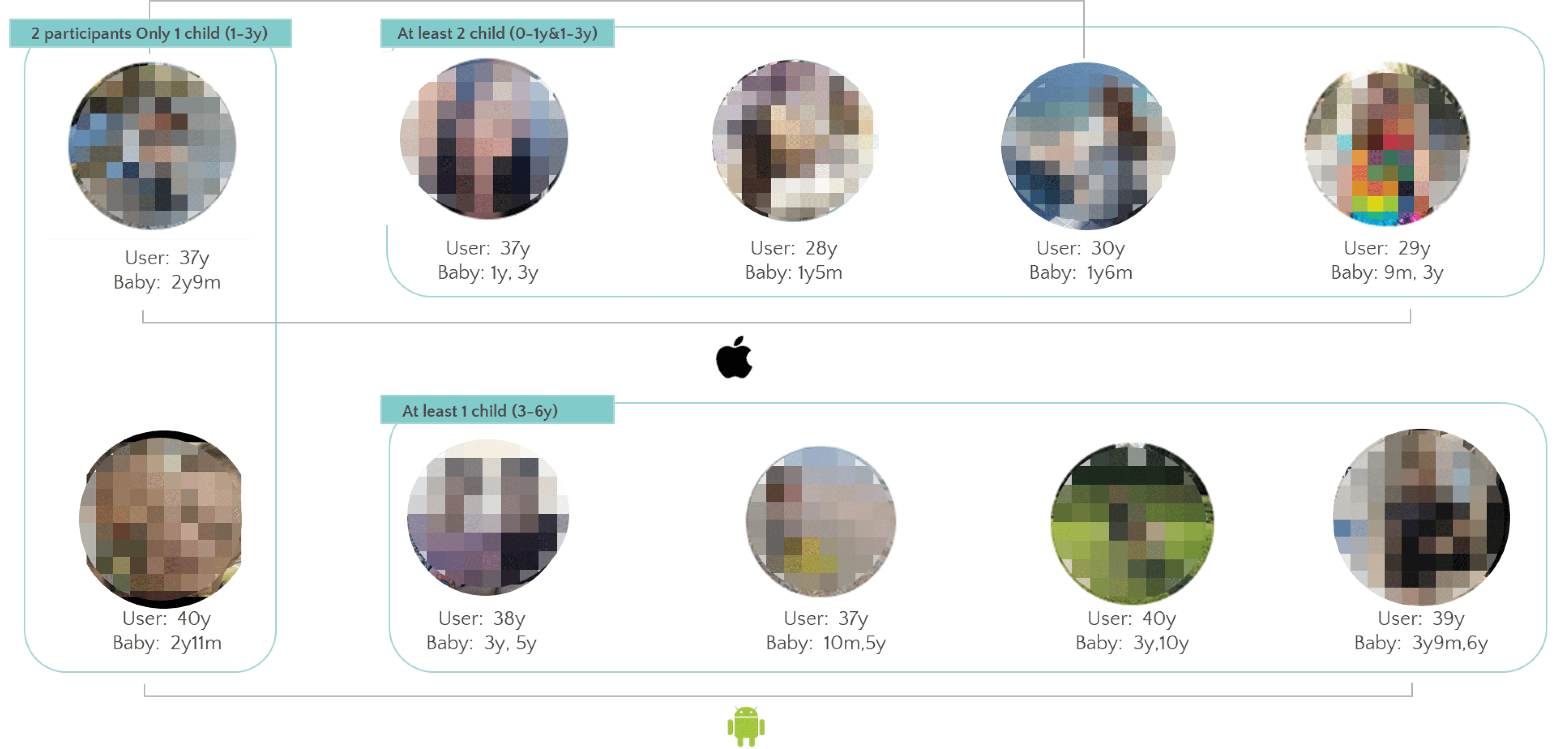
Through diary interviews and follow-up messages, we made several new discoveries:
Parents use the product during the day while working to watch the baby.
They use it to watch other family members take care of the baby.
They use it when they are temporarily out of sight of the baby.
"The baby wants to reach for the mother's phone to play with it. Babies like things that can be controlled remotely by phone. As soon as they hold it in their hands, they come over."
The team's original marketing strategy was validated to determine whether the features that were expected to be promoted were performing as expected, and to understand which features the Thai market recommends as being helpful for sales.
The feature can Shift baby's’ attention and soothing them, most users consider that Smart soothing was the most amazing feature and practical.
Image is clear and sharp even when the lights are off
The team used the Kano model to classify the features of the baby camera based on their importance to Thai parents. This will help the marketing team prioritize the development and marketing of the product's features.
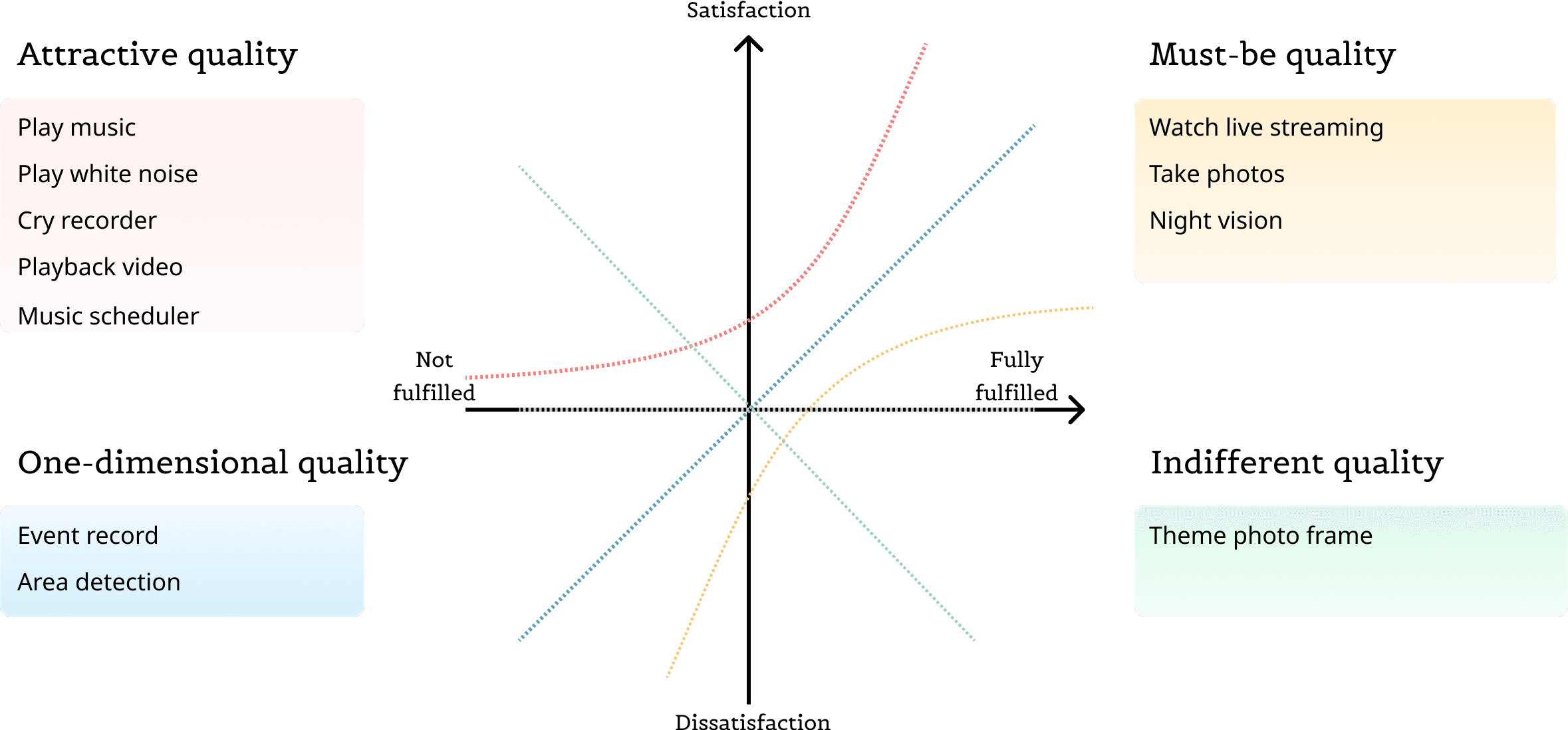
Different cultures have different preferences for features.
This information can be used by the marketing team to develop business strategies tailored to the Thai market.
Identified "feature problems" that were still hidden in the actual use of the product.
These problems were reported to the RD team in a timely manner so that they could be fixed before the product was launched.
The team used AI for the first time to support research framework, interview outline, and communication and translation with Thai respondents.
During the process, the team focused mainly on verifying usability. It’s needs to clearly define the "research purpose" and clearly allocate the expected proportion between "validation" and "exploration".