Service designer/Project manager
Geriatric Hospital Preparatory Office, National Cheng-Kung University Hospital
2021-2022
Space-time background
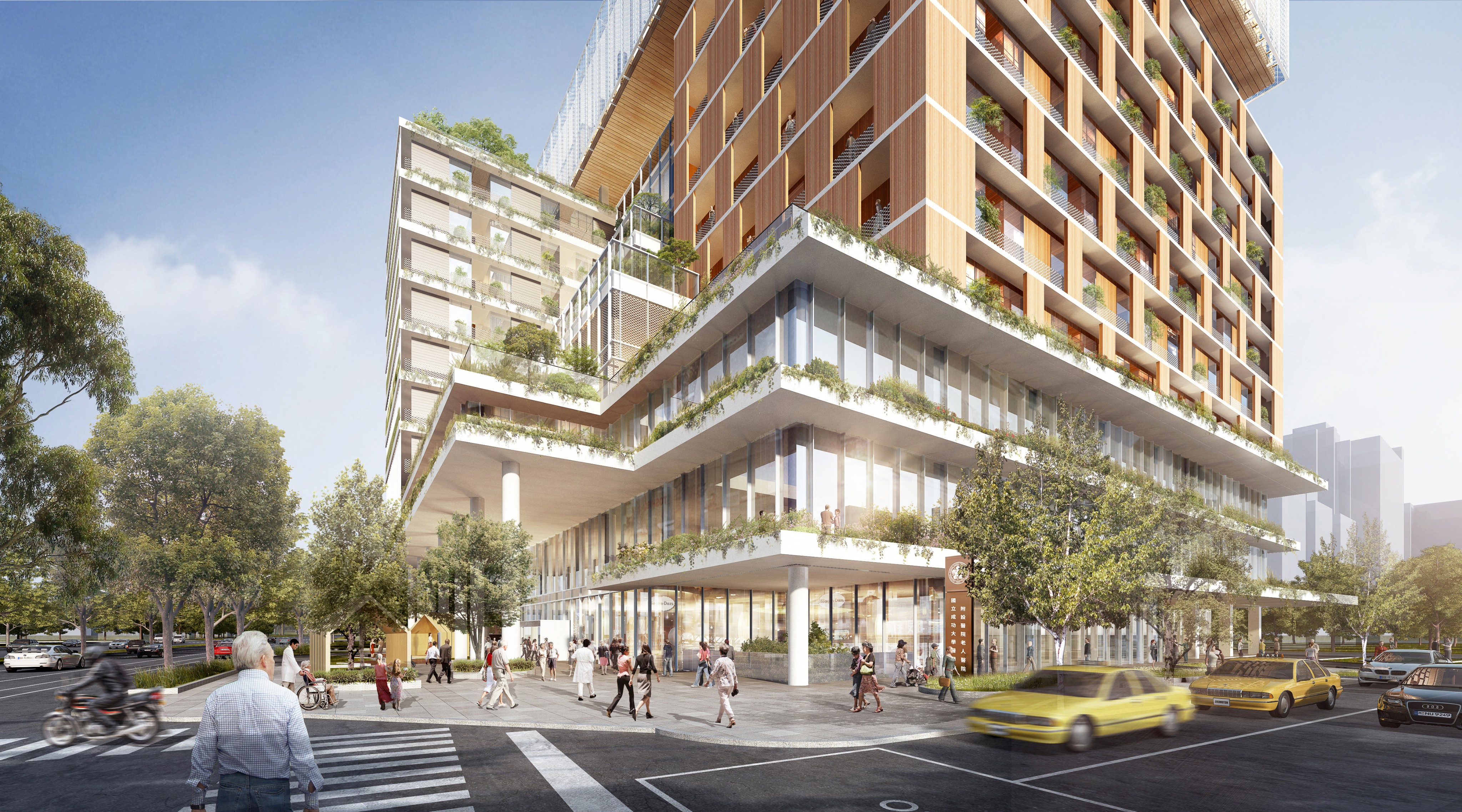
Chengda Elderly Hospital is expected to be operational in 2026, with a focus on the care needs of the elderly, developing integrated care services across professions, specialties, linking hospitals and communities, and complementing with smart medical technology. It is expected to serve as a center for the development of aging medical technology and care models.
Furthermore, in addition to the integration of clinical medical care, the design oriented towards the needs of the elderly users also hopes to be introduced in future elderly hospitals. Therefore, this project is expected to explore the potential impacts and response methods brought by the medical usage experiences of the elderly and caregivers, as well as the care methods of future elderly hospitals, through the method and approach of service design and user experience research.
Project goal
The project focuses on the care ecosystem of professional medical personnel, the elderly, families, and communities within the hospital service system. It involves conducting interviews and focus group data collection and analysis, building personas, demonstrating service design cases based on the personas, using the insights gathered as references for design iterations, and demonstrating the research methods and co-creation model of service design with members of the healthcare system.
Persona building
Researchers interviewed elderly care service users at hospital, home care services, and community organizations to understand their experiences. This qualitative analysis helps build a profile of this user group.
Service design co-creation
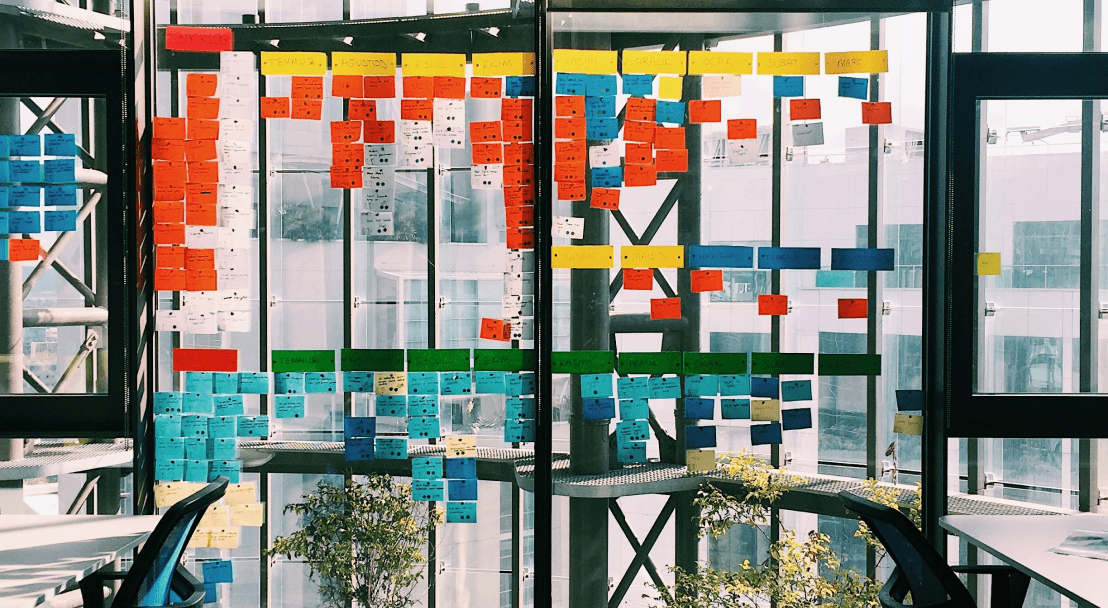
Researchers held workshops for internal teams and partners to analyze field research and brainstorm service design ideas. Collaborative results were documented to guide further design development.
Qualitative Analysis of Clinical Staff Pain Points
According to a survey, we identified the difficulties or challenges encountered by 289 clinical personnel, possible reasons, approaches, and units to collaborate with. We utilized the verbatim data to conduct concept clustering and coding using the KJ method, extracting upper-level concepts. From the hierarchical tree of upper-level concepts, we can compare it with the field survey personnel data to serve as propositions for workshops and service design. We obtain numerous high-level propositions from this, such as relationships between caregivers of elderly patients, difficulties faced by elderly patients in the hospital, and communication and cognitive differences between hospitals and patients, etc.
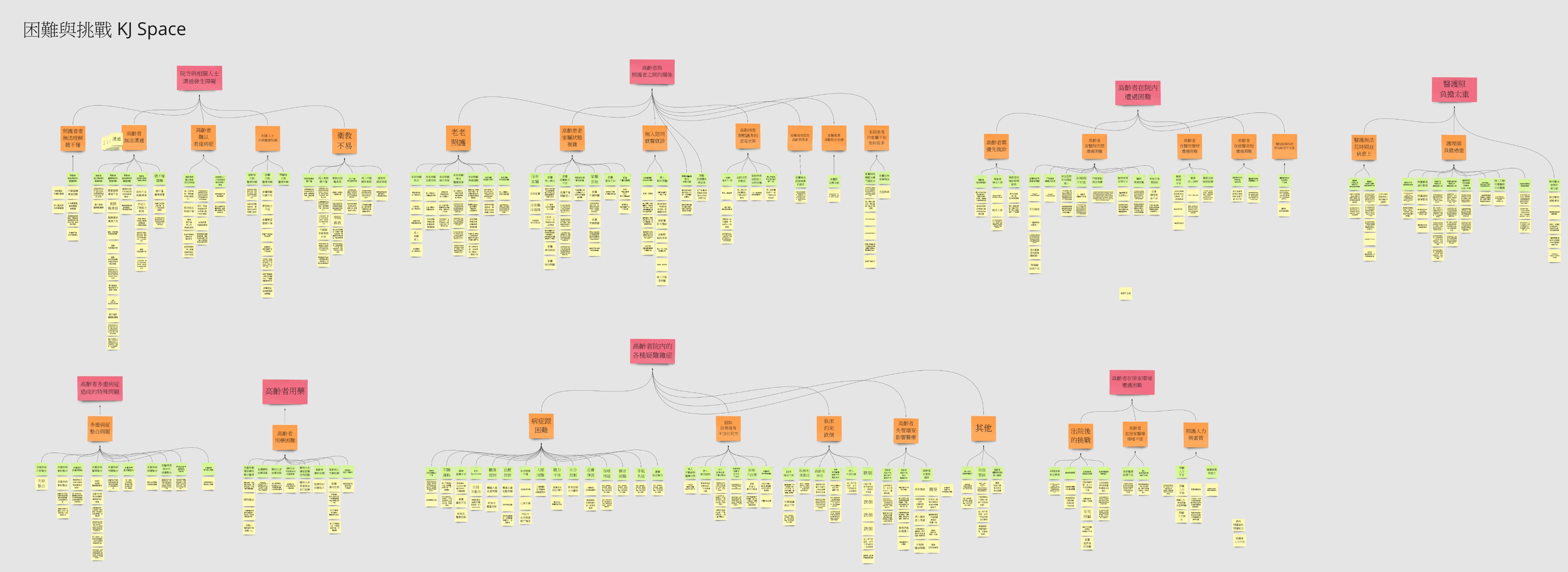
KJ Law Operation
(Yellow: Original literal manuscript data)
(Red Orange Green: High-level concepts)
Departmental Network Analysis
In addition to qualitatively analyzing the challenges and potential approaches, quantitative social network analysis is also conducted on the interdepartmental interactions:
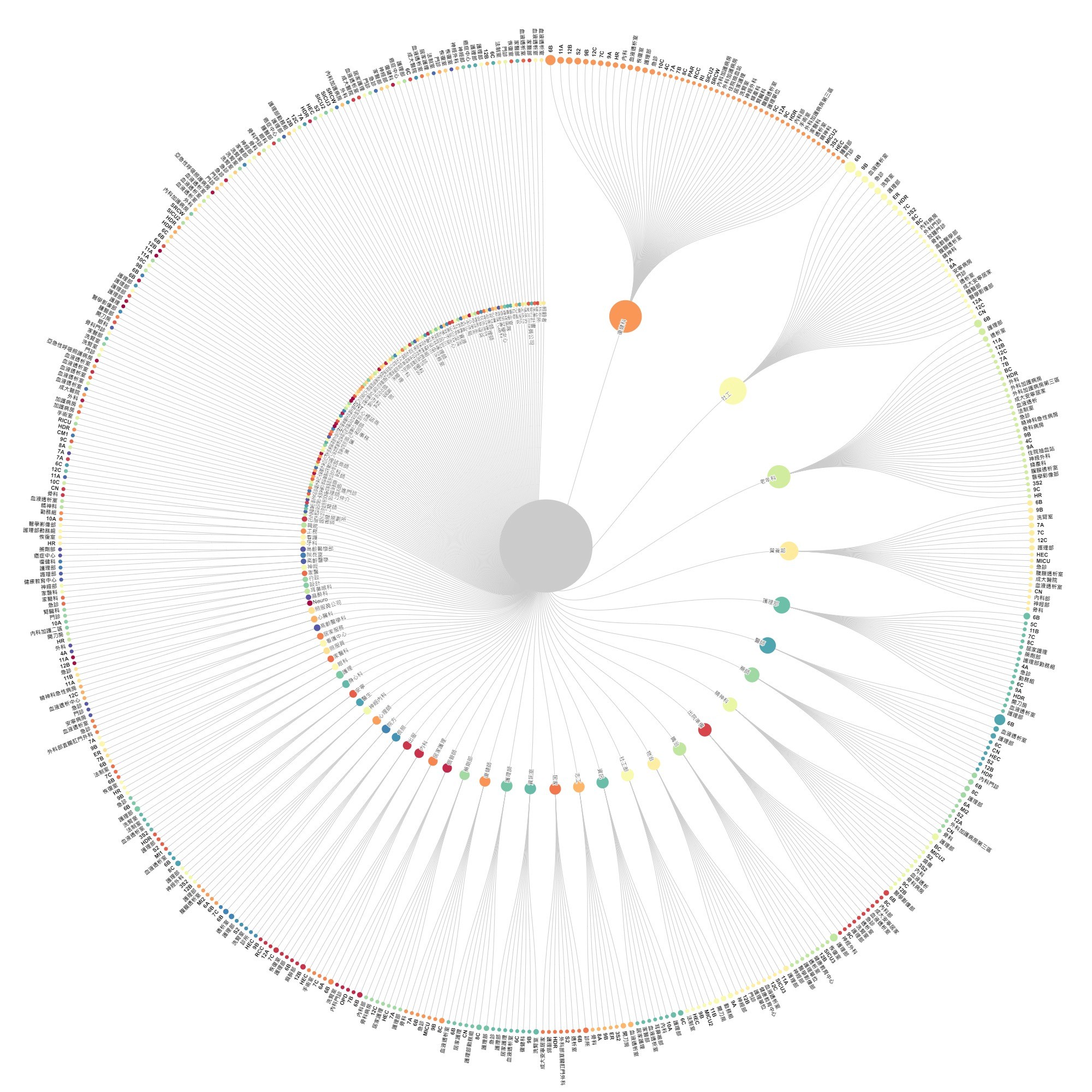
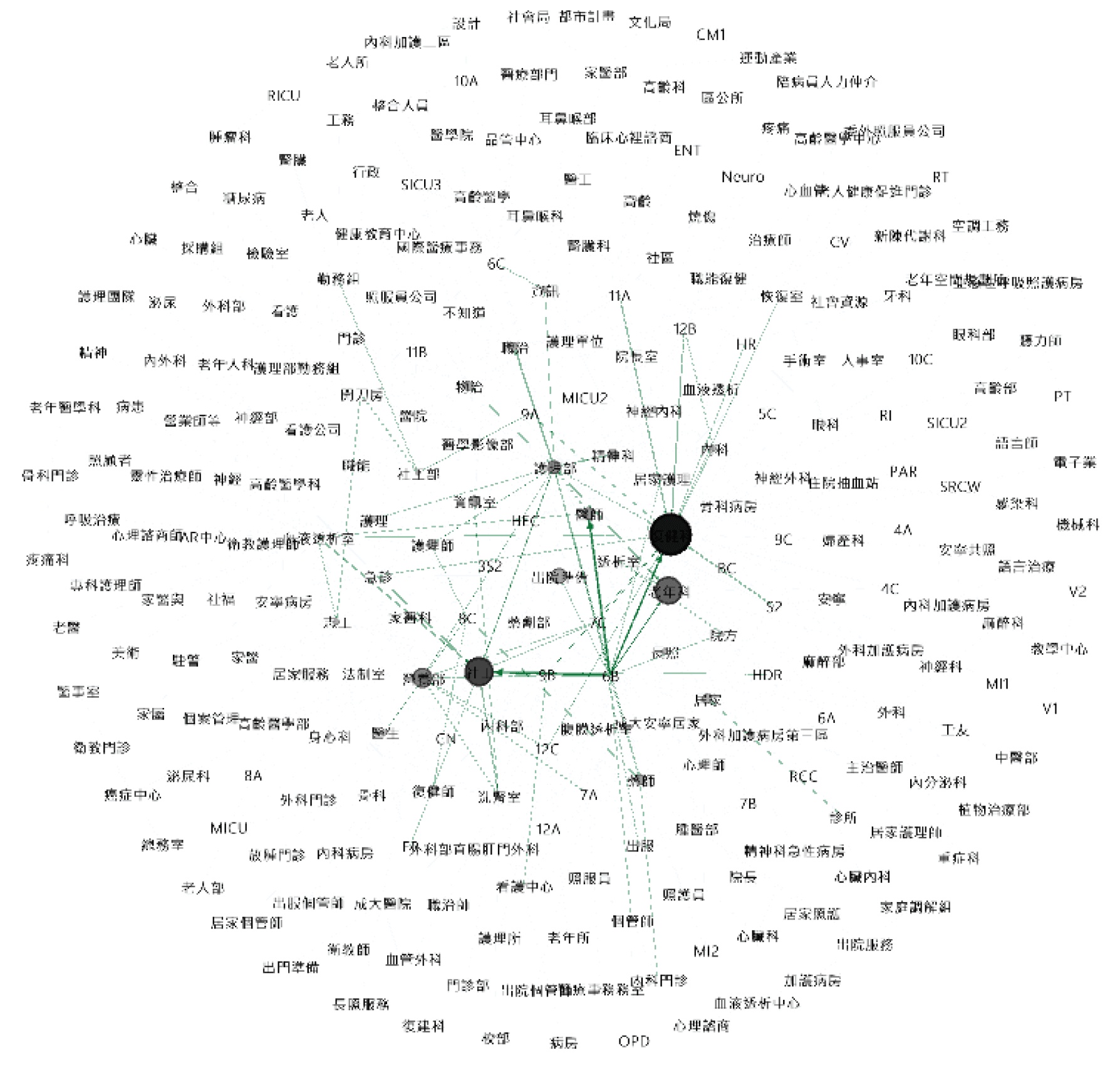
Cluster relationships between departments
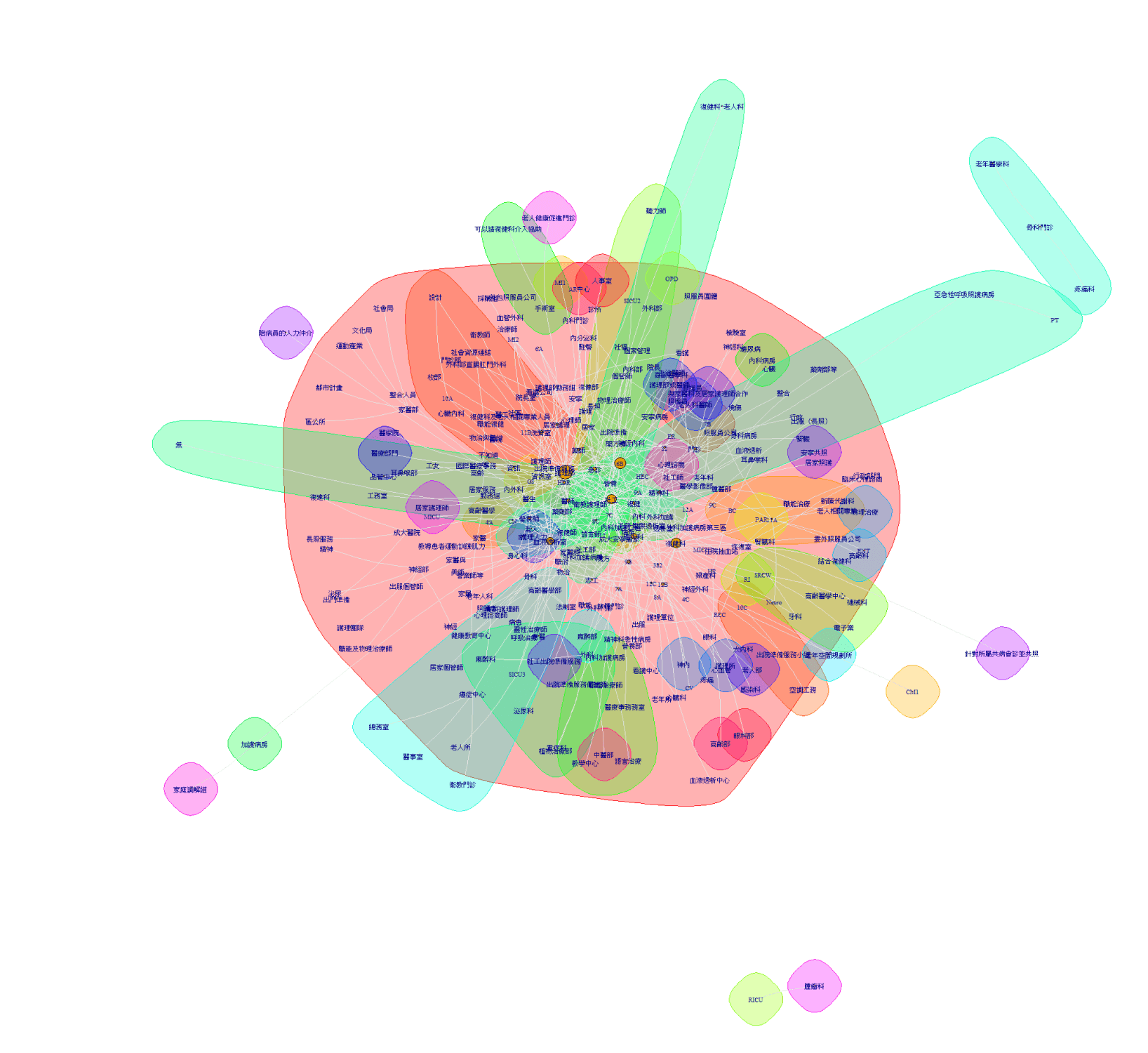
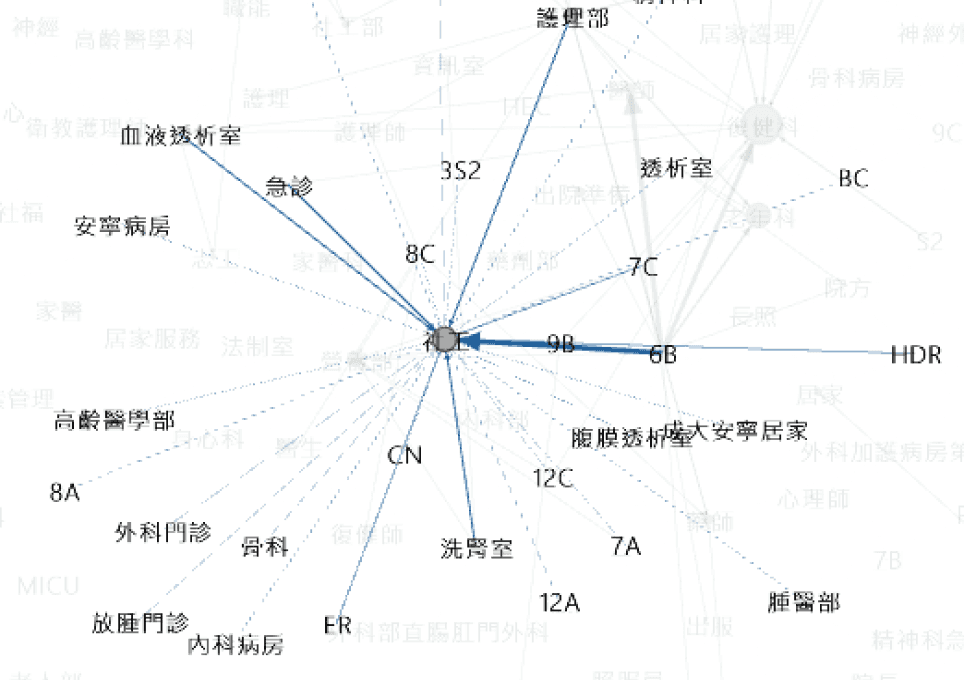
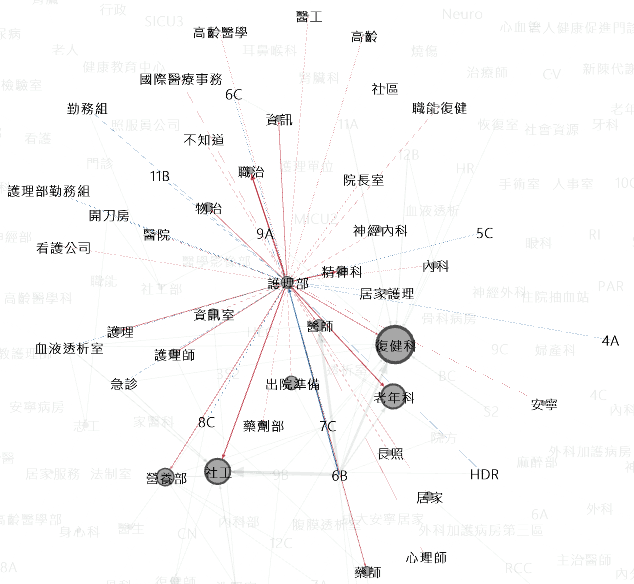
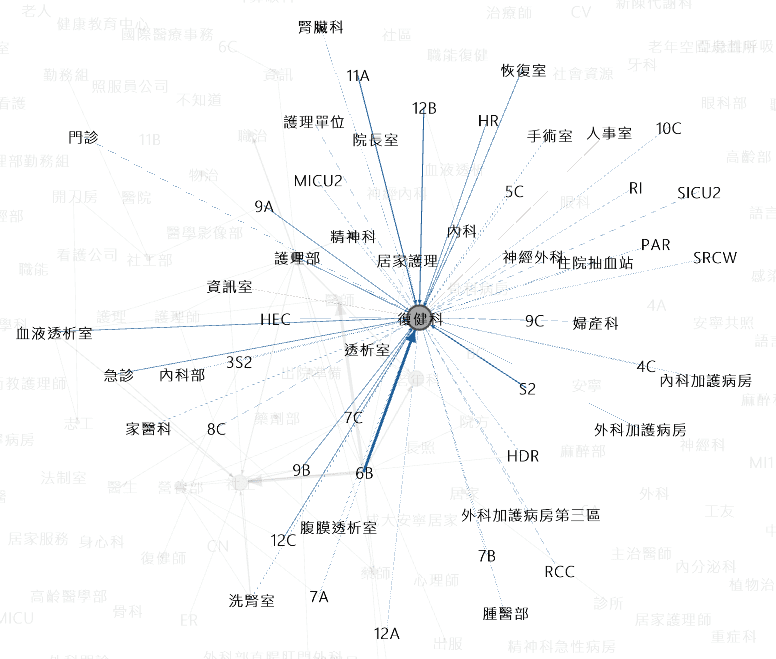
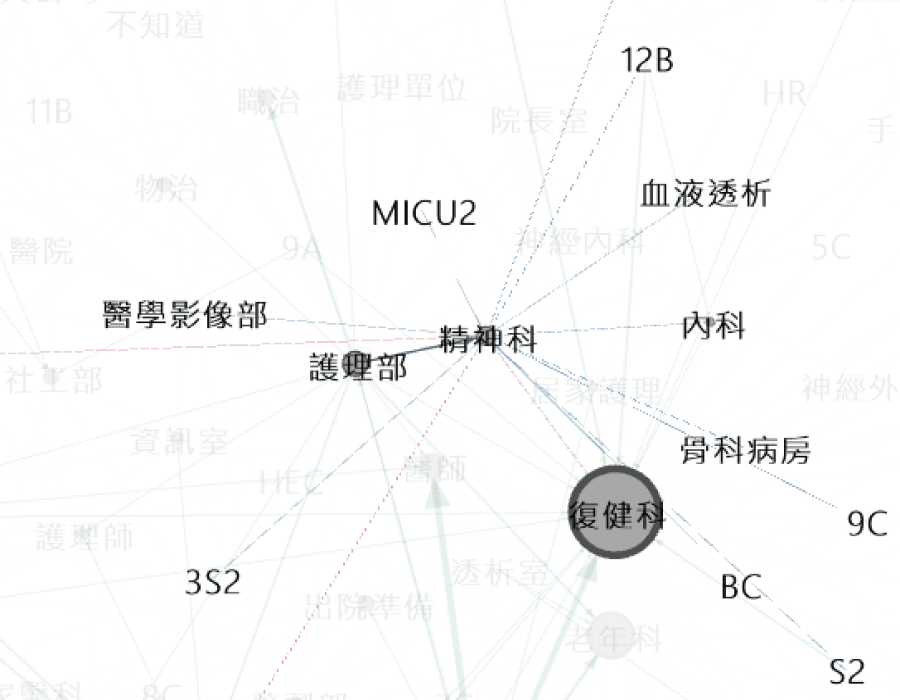
From the perspective of inter-departmental collaboration, through Social Network Analysis (SNA), understanding the interaction and network between departments, and visually understanding the current expected collaborative relationships between departments, in the future, focus groups can be selected based on this, and the reasons behind the interaction between departments can be inferred from the focus groups.
Field Observation
In the field investigation, various types of narrative data centered on elderly patients were obtained, including various caregivers around elderly patients, such as spouses, children, home service workers, medical personnel, hospice workers, caregivers, and so on. The field data shows the relationships between many elderly people and caregivers, as well as the mutual influence among caregivers. Therefore, using the Stakeholder map, the strength of the relationships between elderly people and their caregivers and the factors influencing the choice of medical treatment field are depicted.
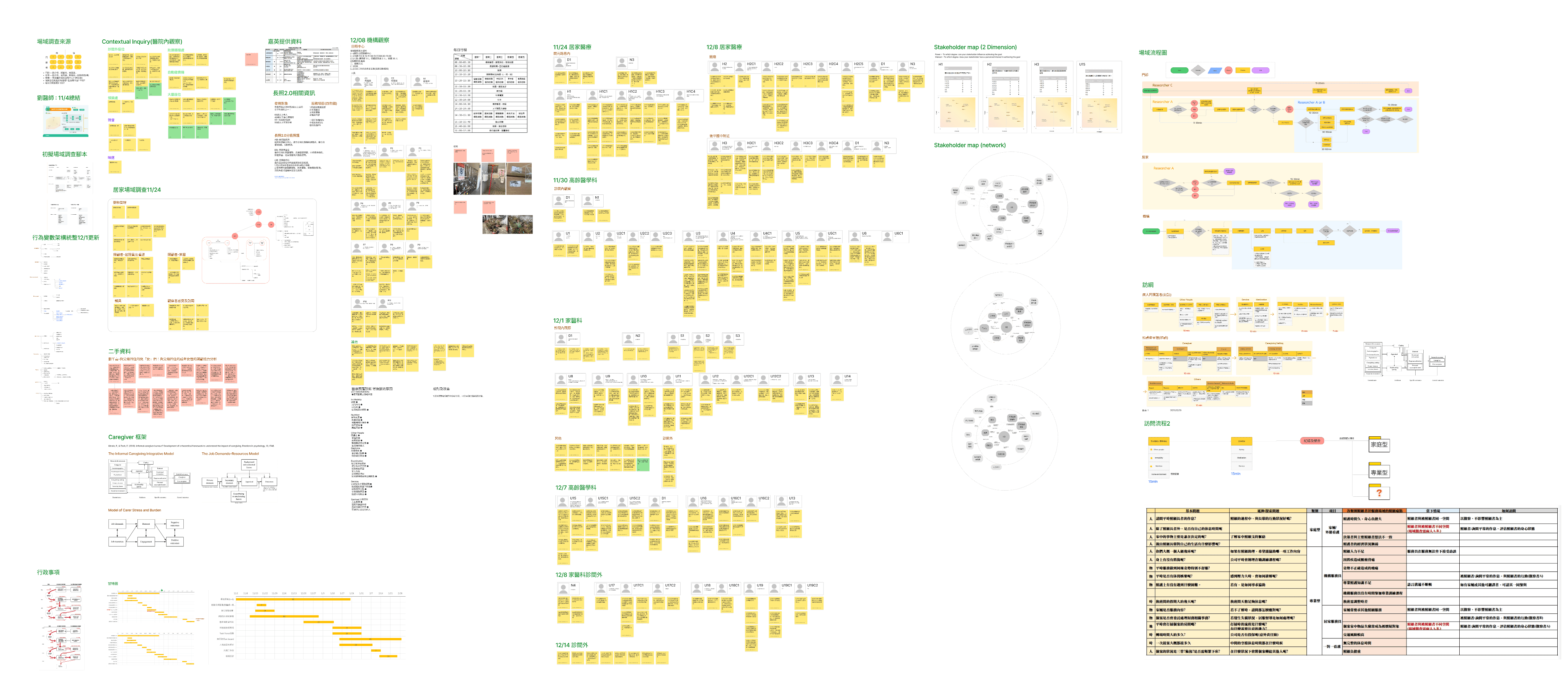
Field data collection
During field investigations, it was observed that besides establishing the patient's own medical history, the paired combination of stakeholder relationships around the patient has a complex and strong impact on care patterns, medical needs, and technological needs. Therefore, the project will shift its research focus from the original elderly persona to a pair persona (pair-persona).
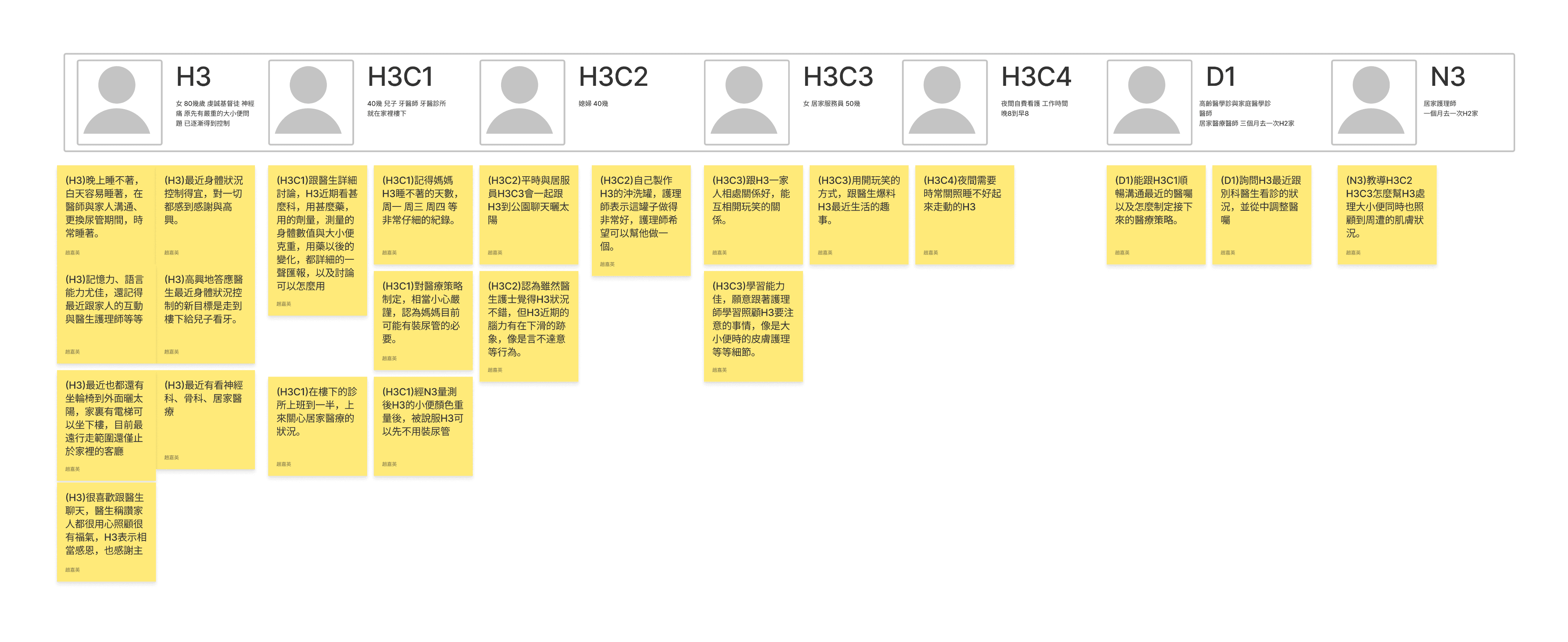
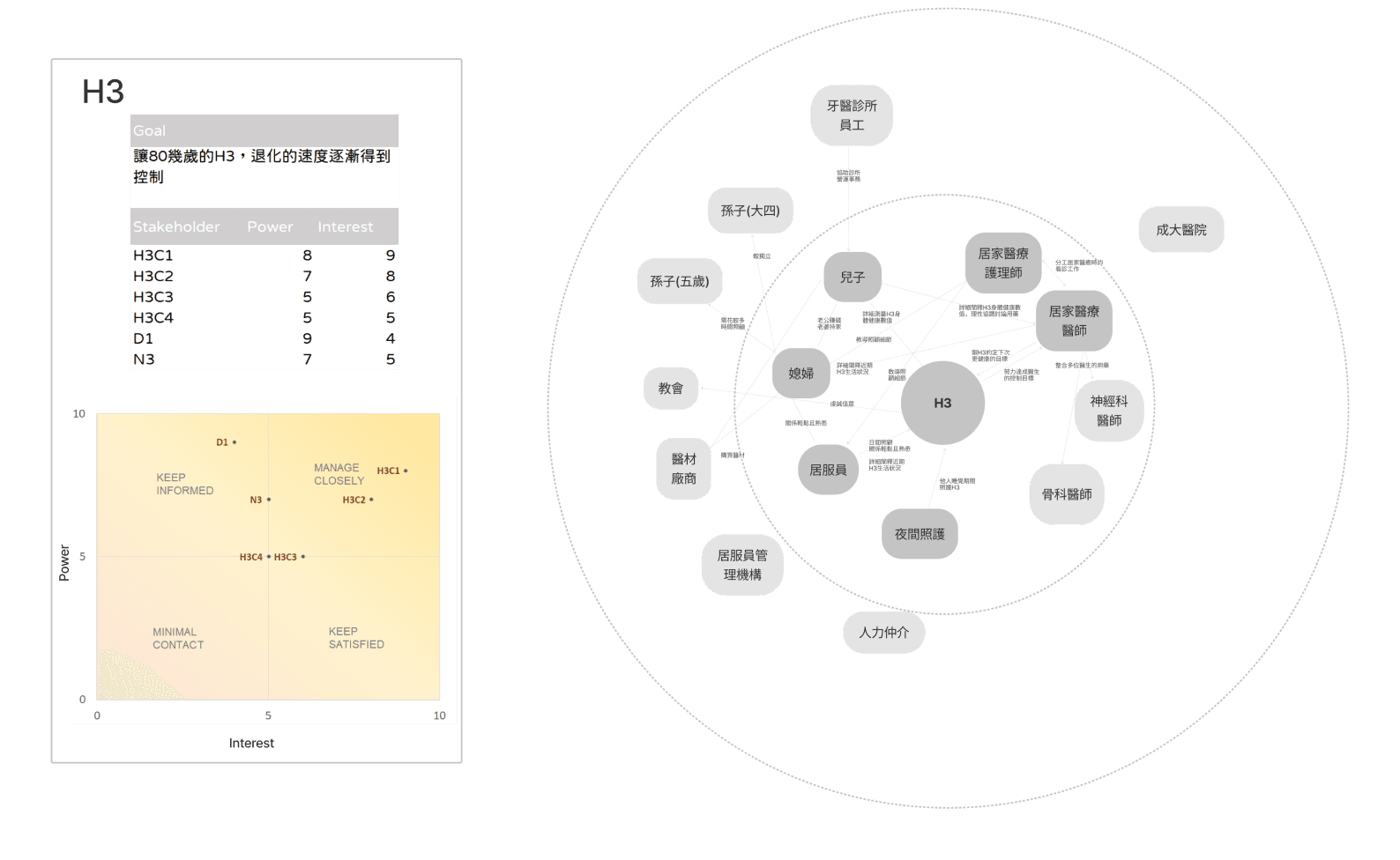
Stakeholder map
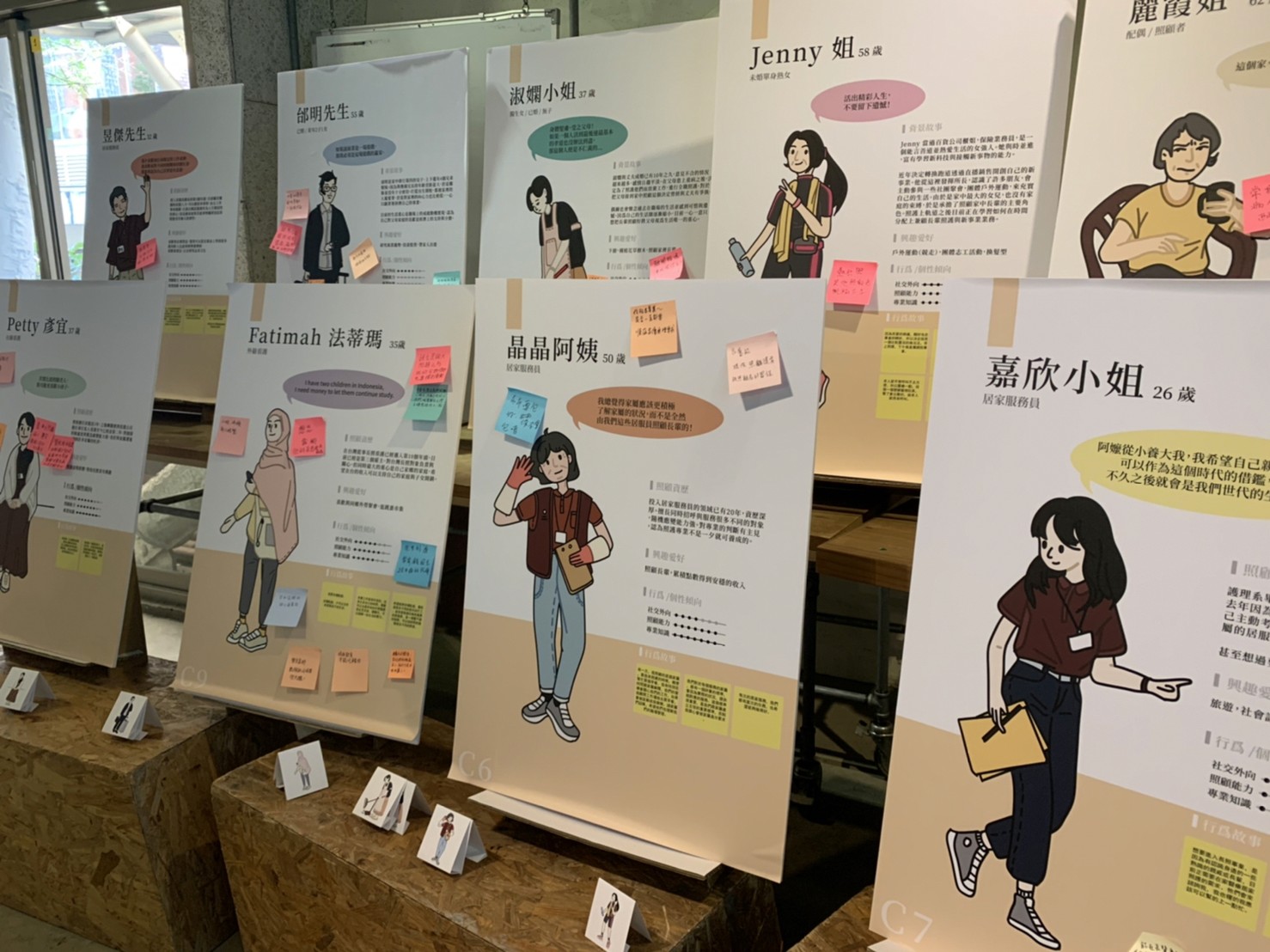
Pairs of personas
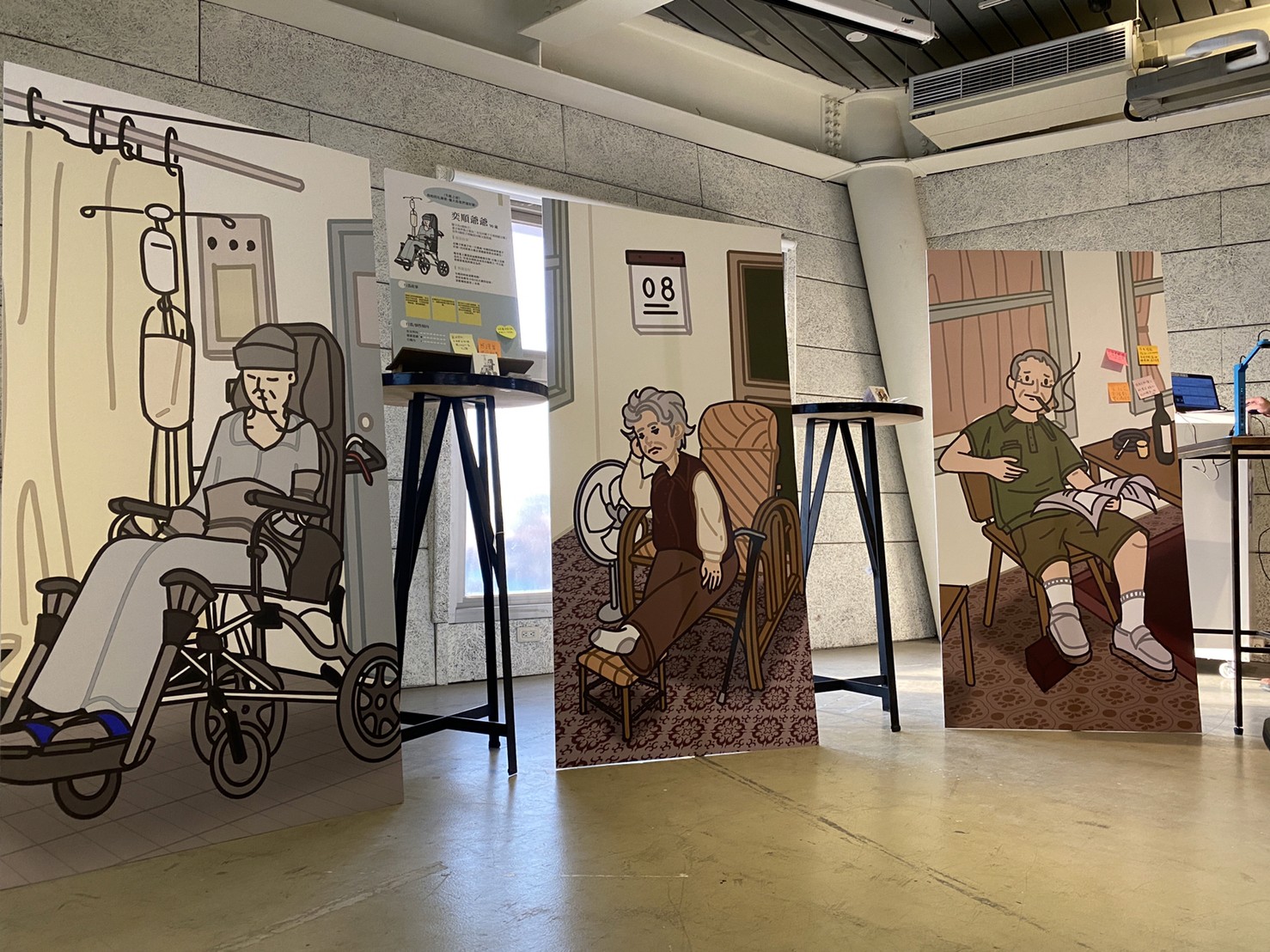
Convert field data into profiles of elderly and caregivers, and provide two types of profiles to workshop participants for combining, exploring the issues and solutions that different pair-persona combinations may encounter.
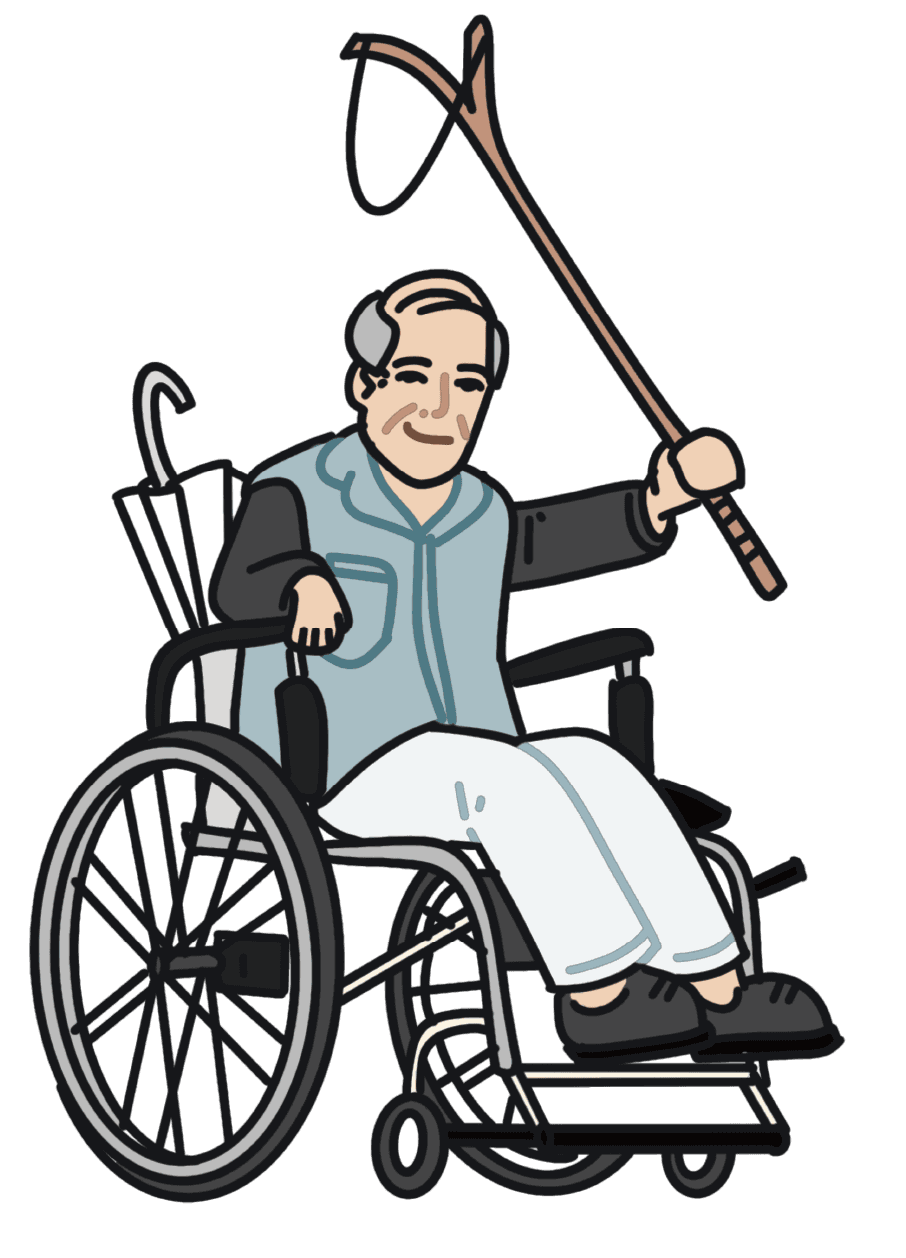
Persona E2
Persona E5
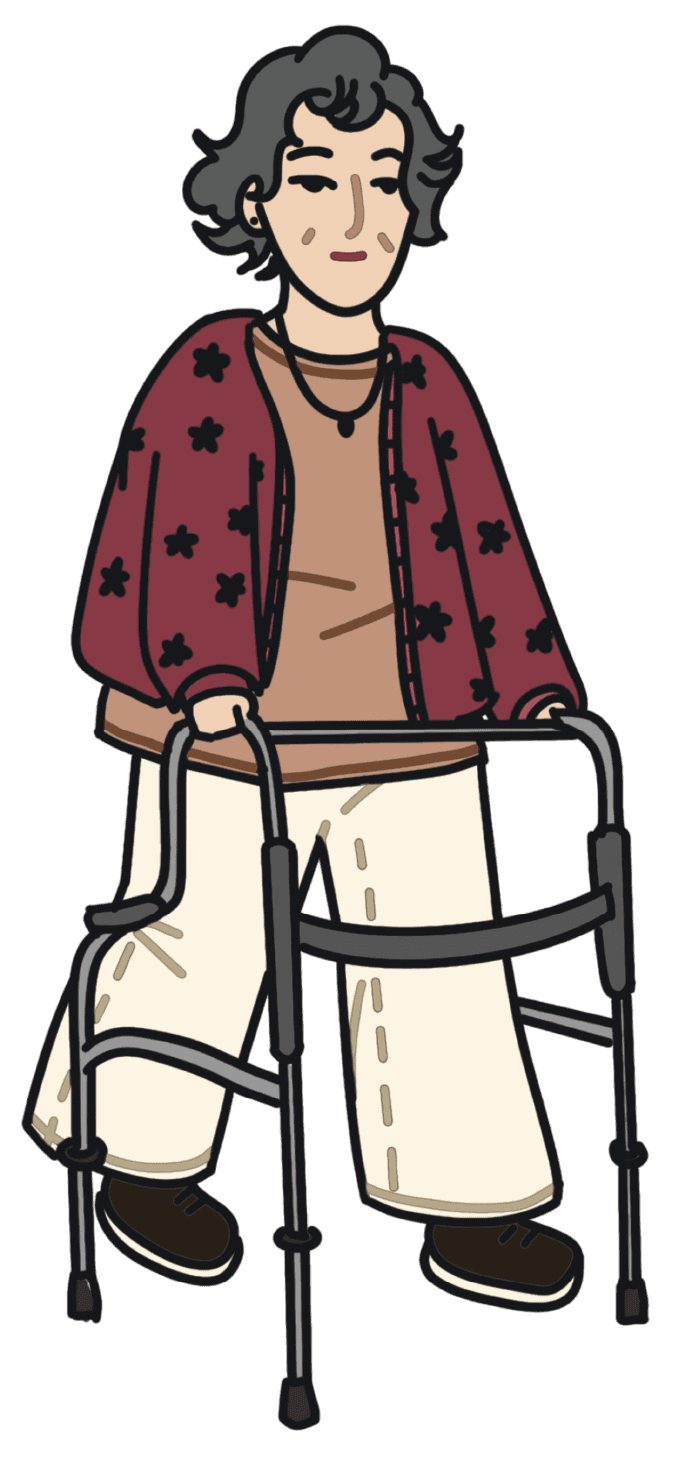
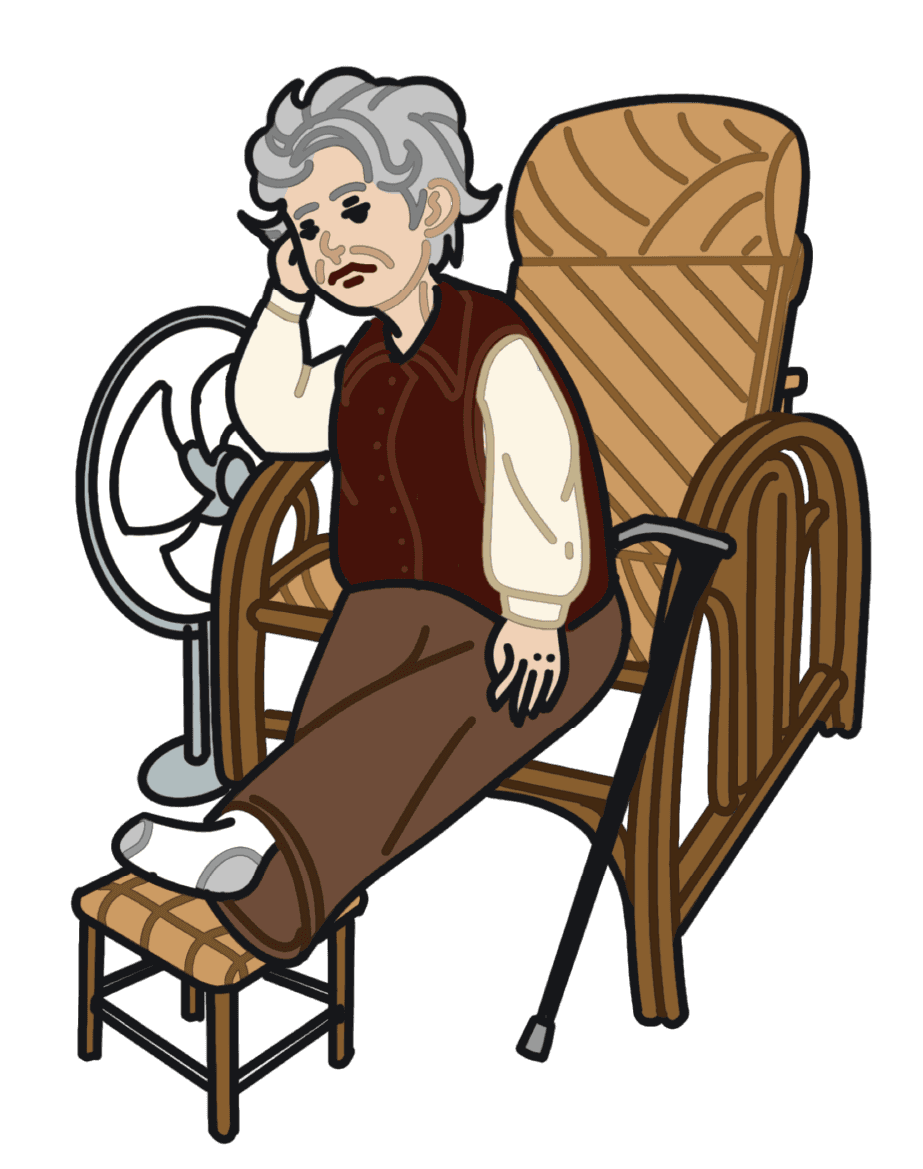
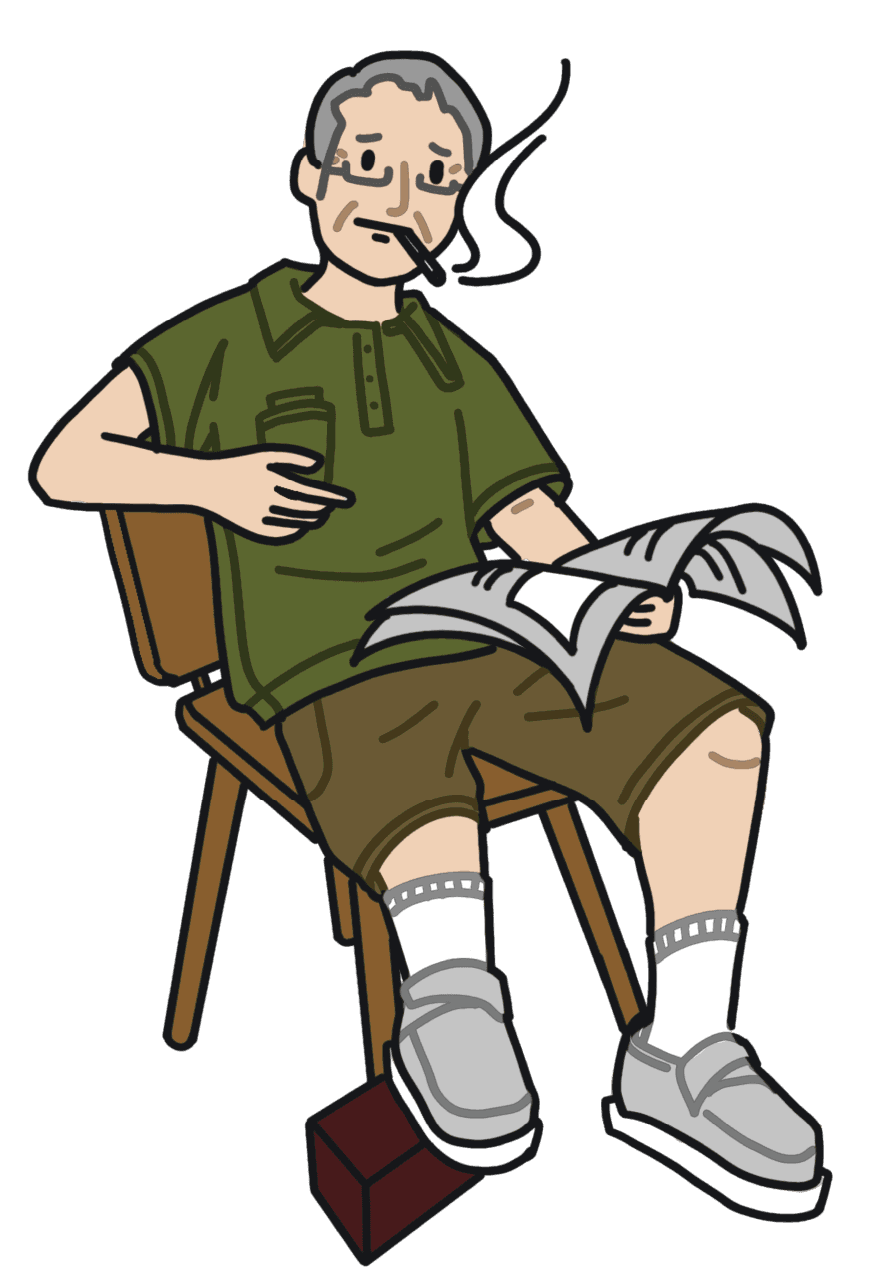
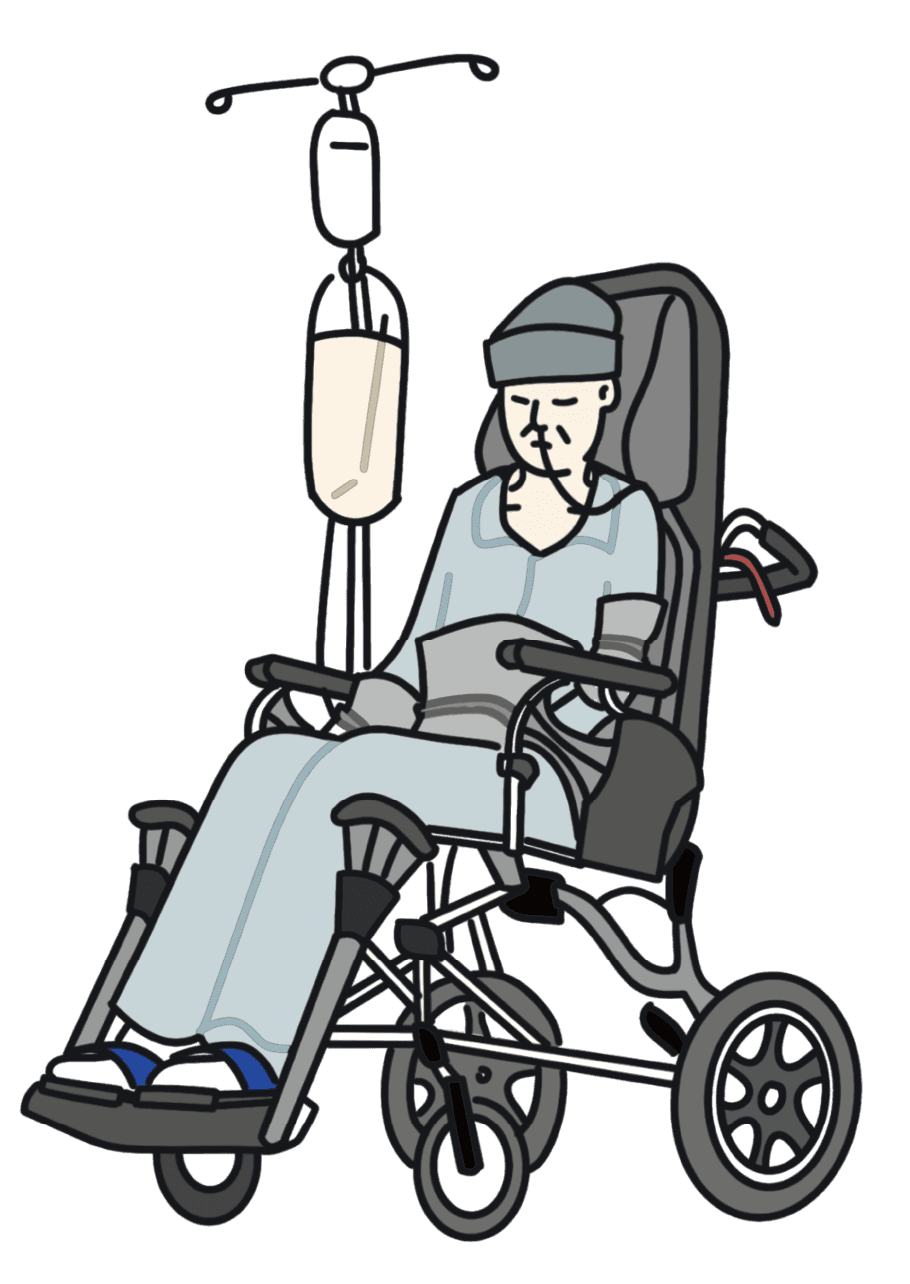
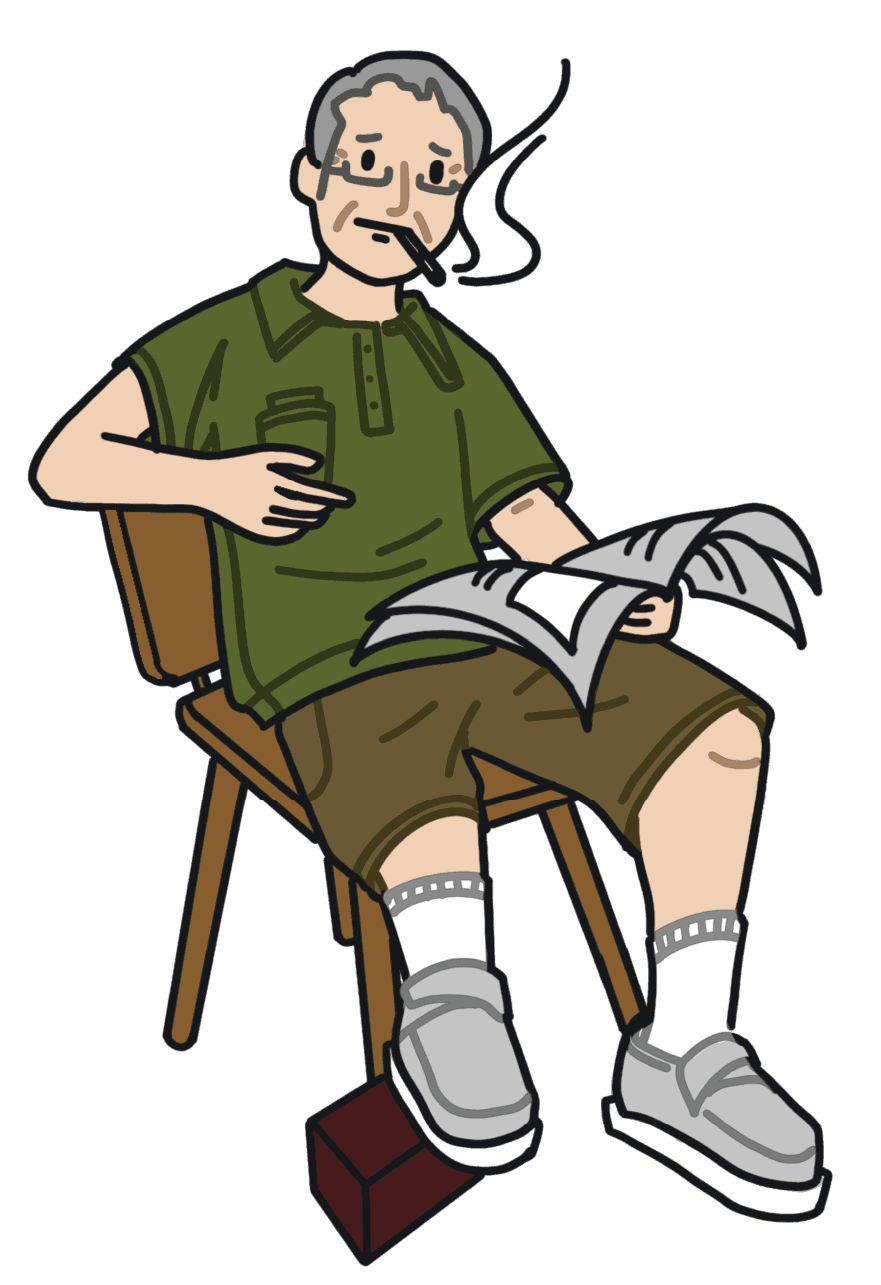
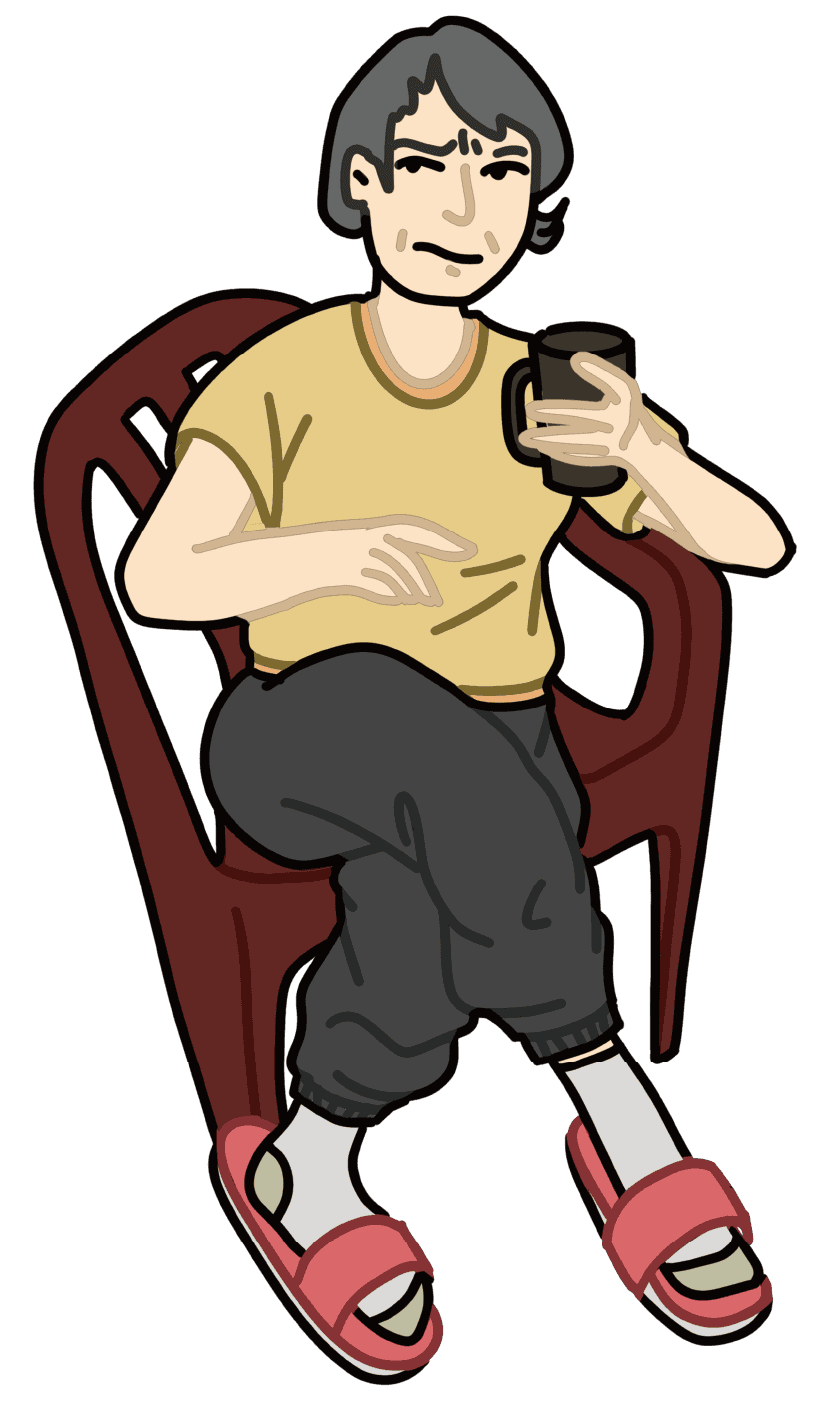
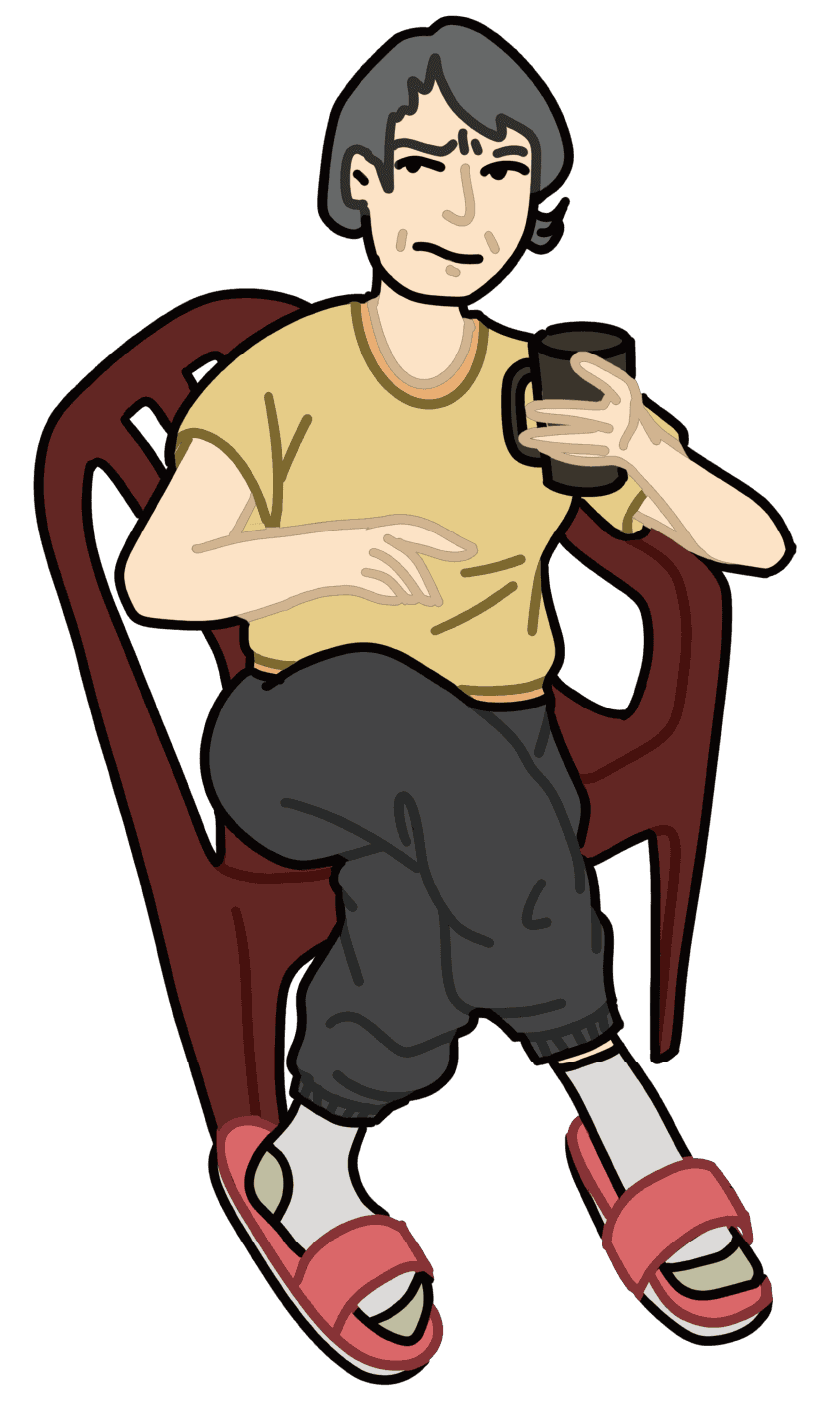
Background
Elders' Biographies
Persona C2
Persona C6
Persona C3
Persona C7
Persona C4
Persona C8
Persona C5
Persona C9
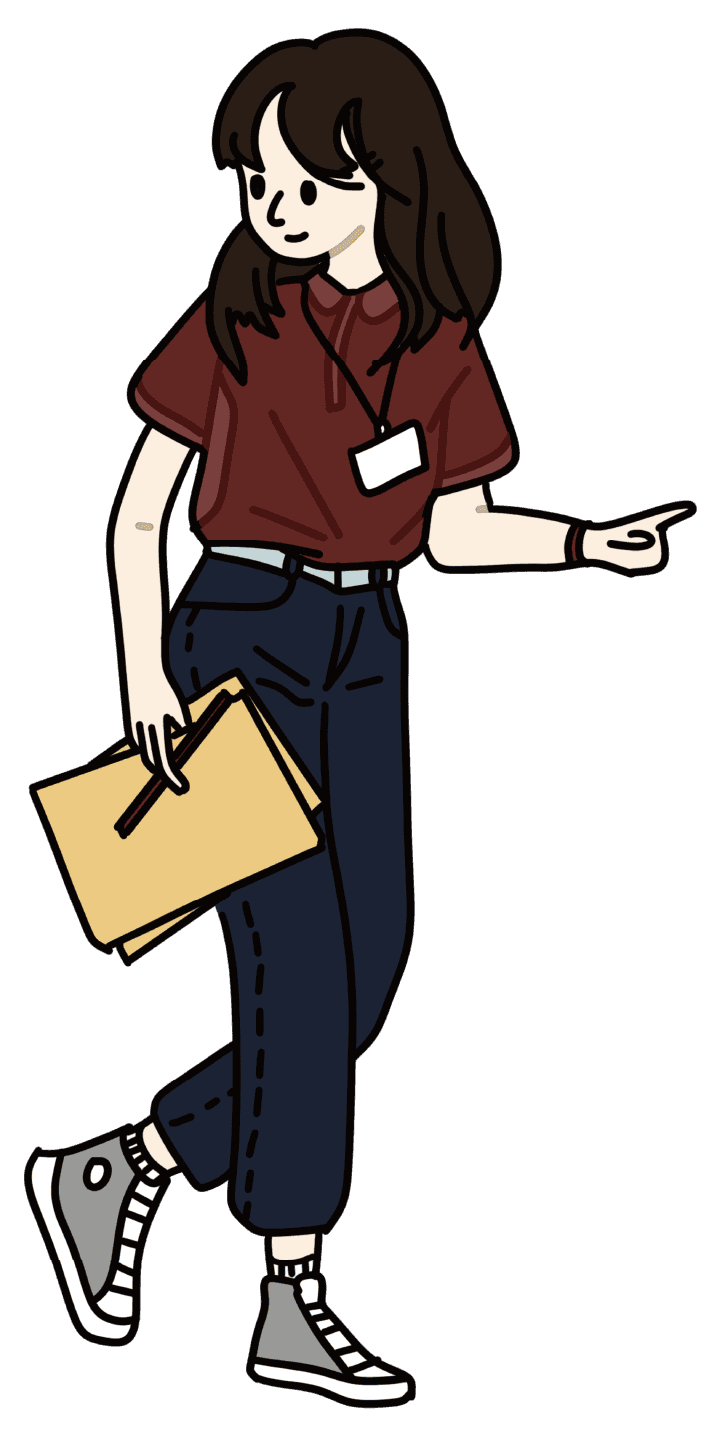
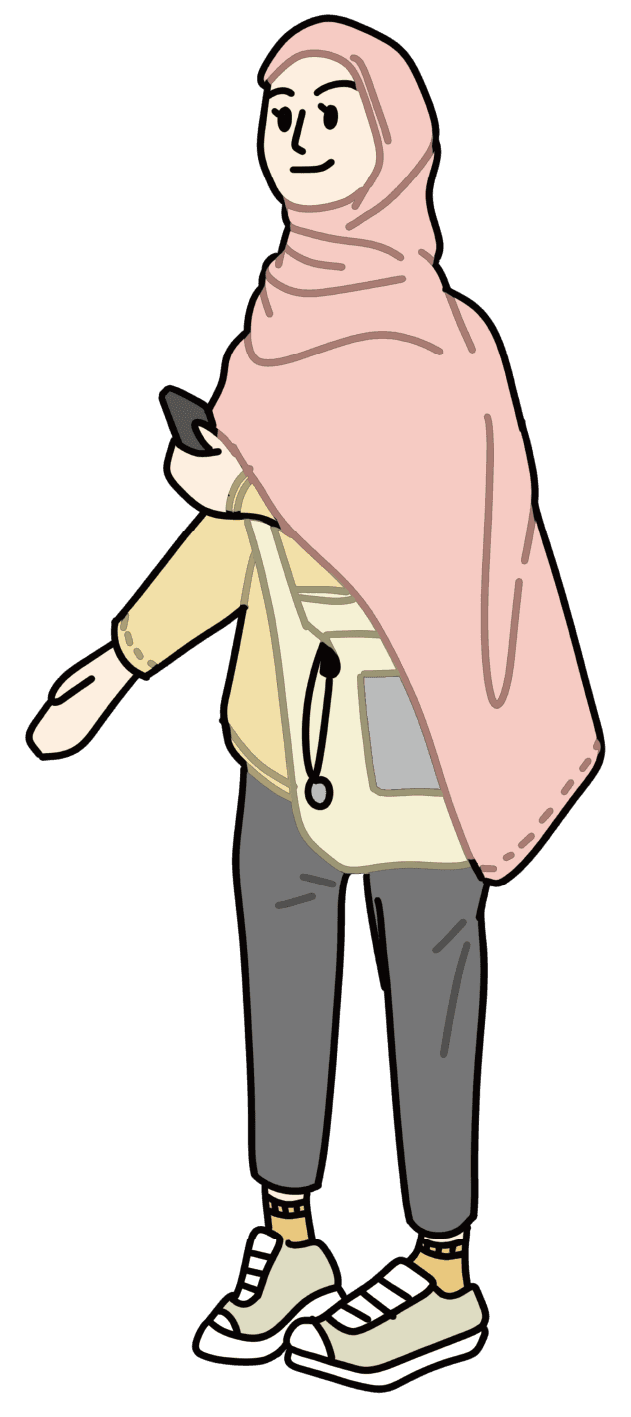

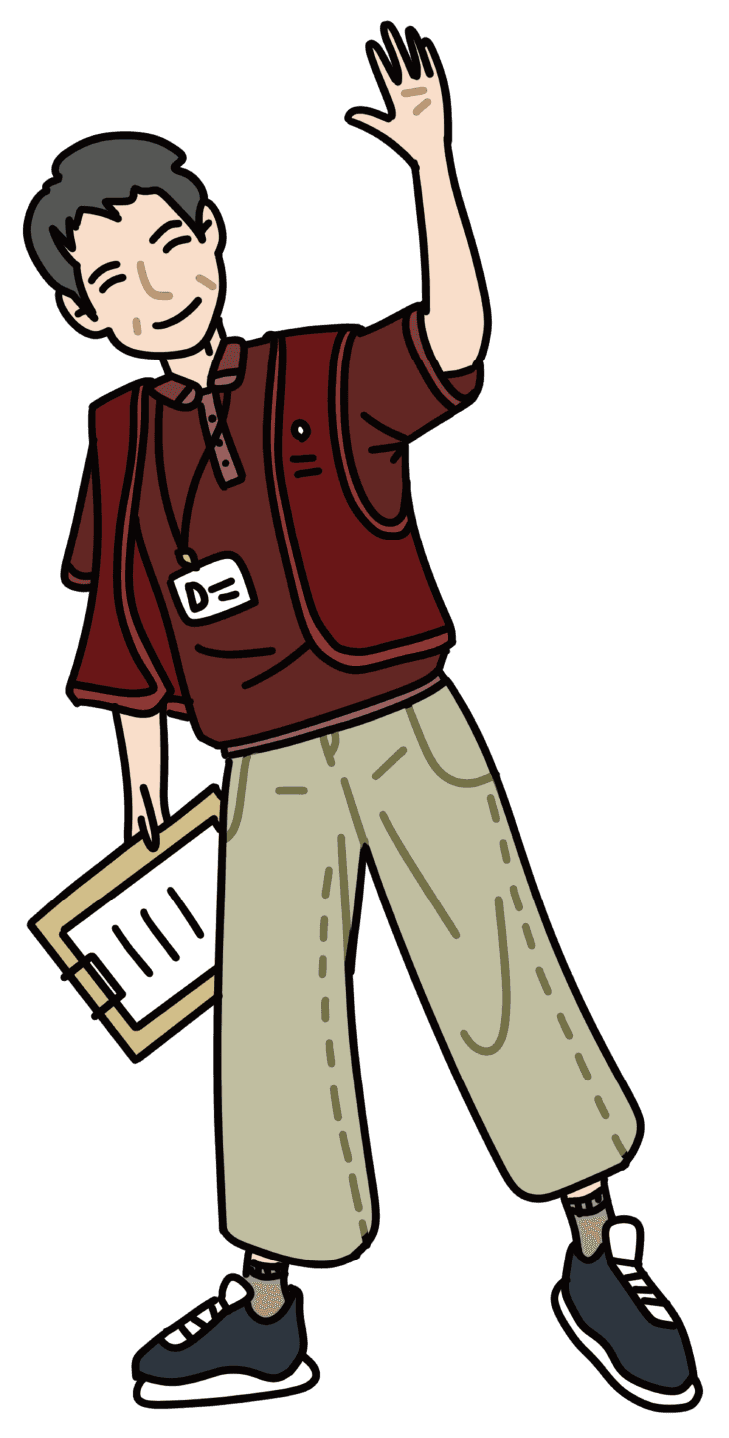
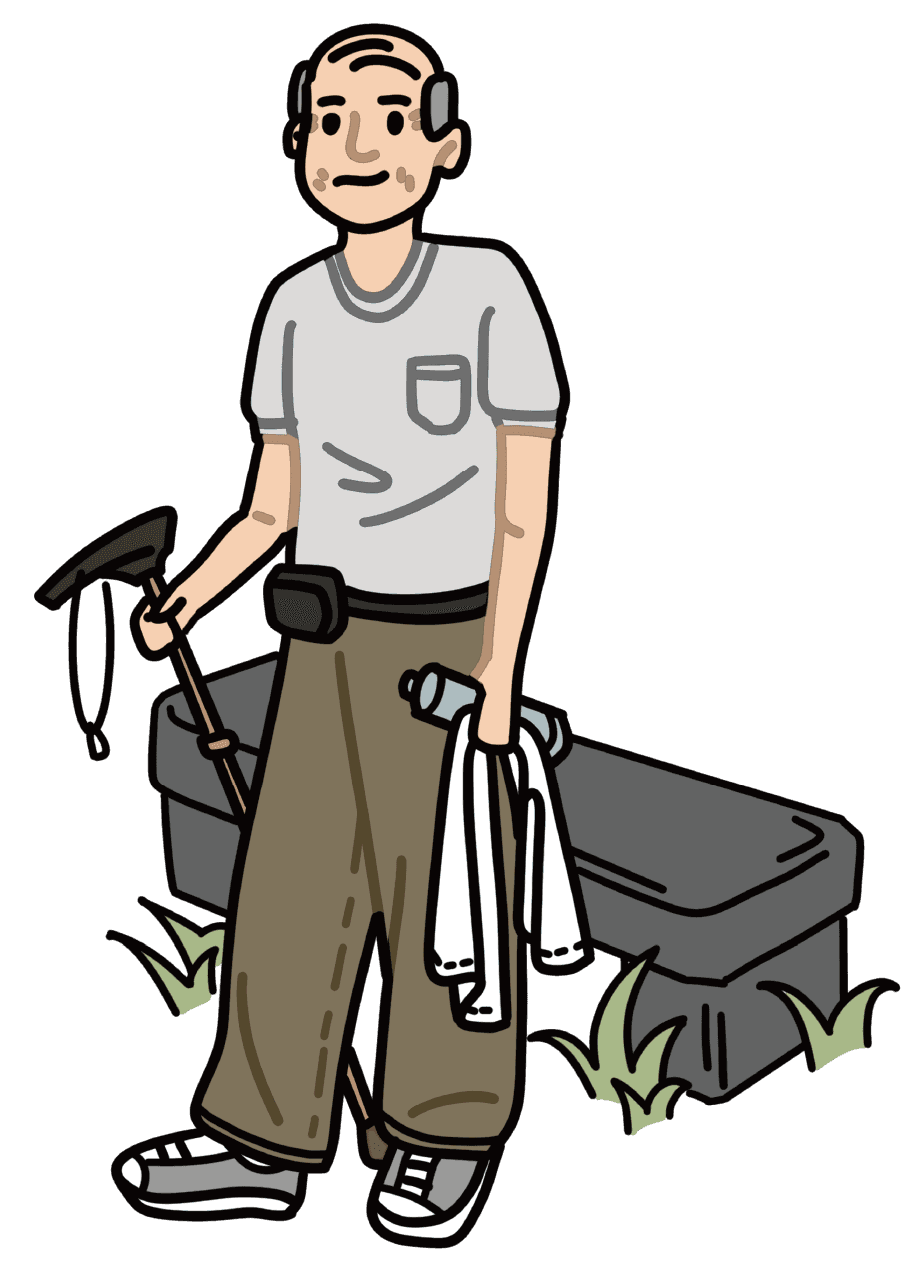
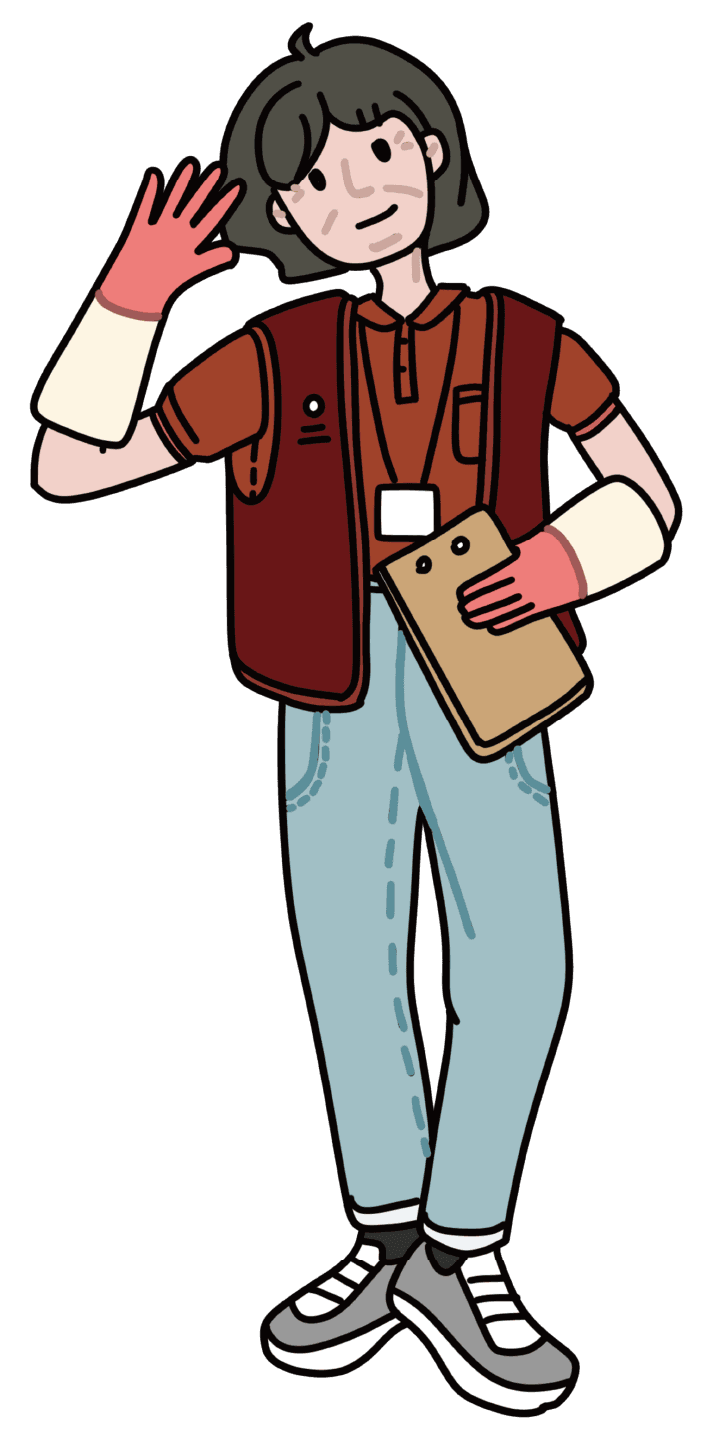
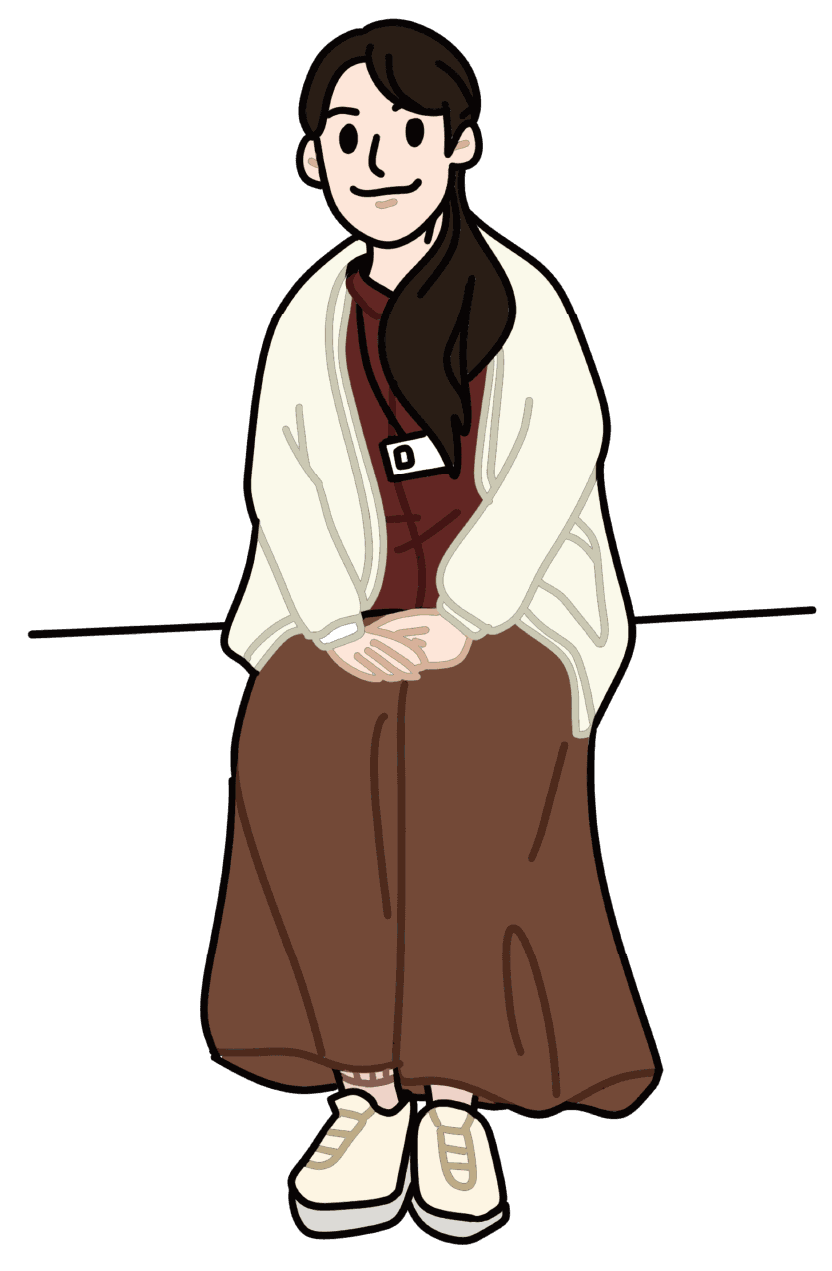

Caregiver Profile
Service design co-creation activity:
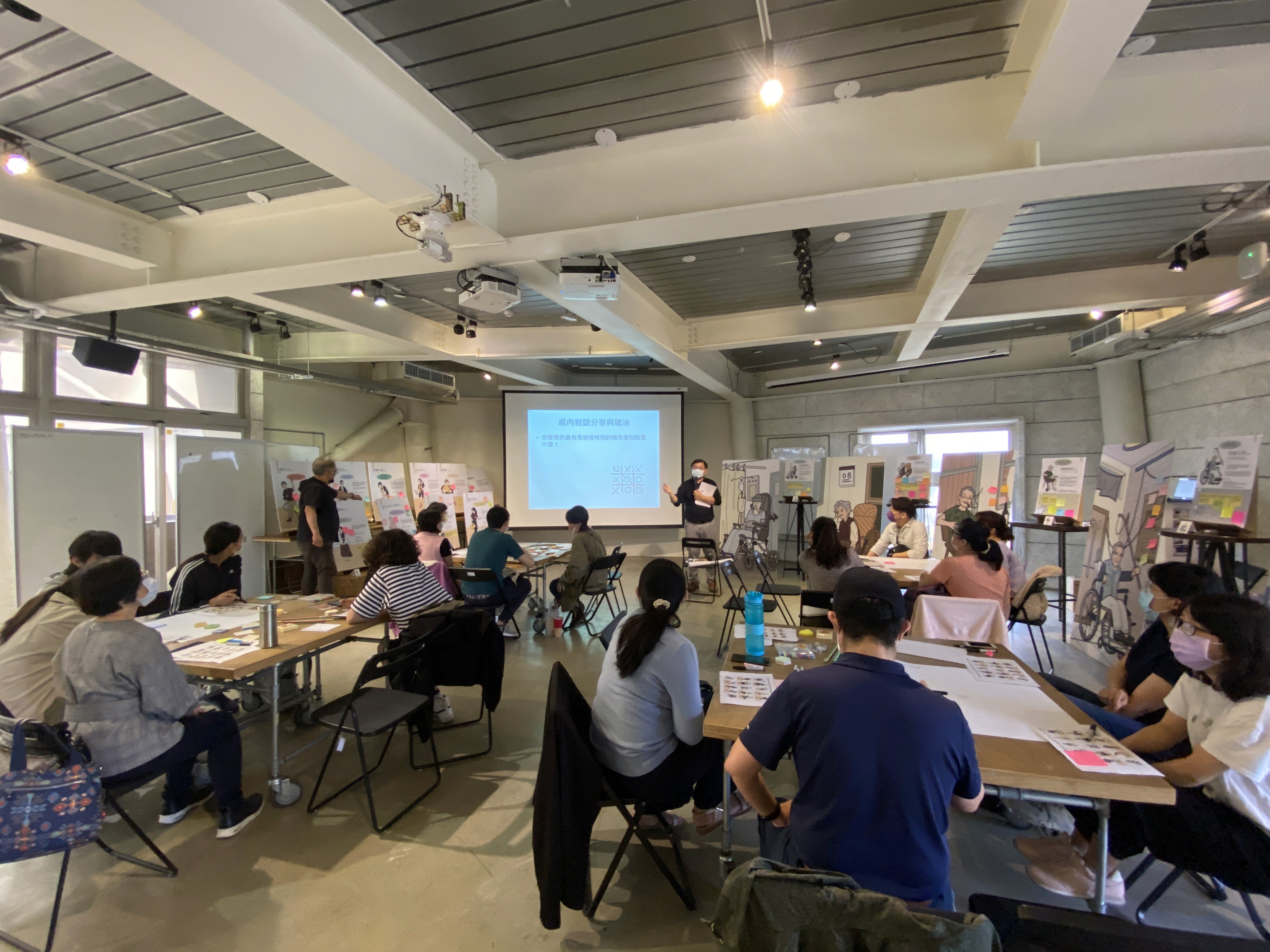
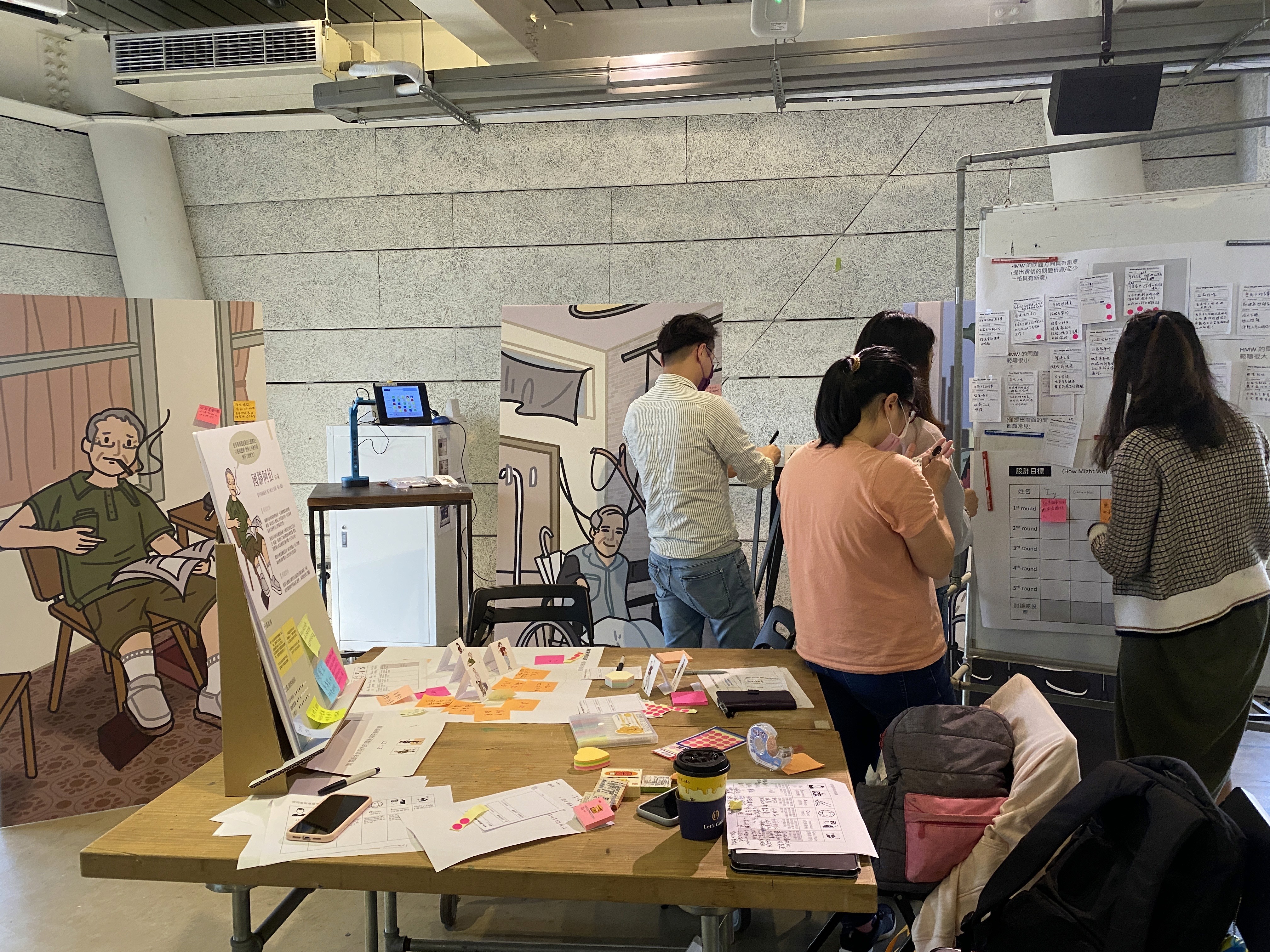
At the conclusion of the project, invites were extended to designers and medical personnel to participate in a co-creation workshop. The workshop incorporated profiles of elderly patients and stakeholders from previous stages, serving as empathic tools to trigger resonance among participants. Attendees were also invited to explore and develop initial service design concepts for different combinations of elderly patients and caregivers. Throughout the process, the analysis of pain points of clinical staff from earlier stages was used as the foundation for workshop design propositions, allowing different departments to focus on issues they had already been concerned with, promoting in-depth ideation and discussion within the co-creation environment.

服務設計協同工作坊
老人醫院體驗服務設計
共創工作坊
目標
利用服務設計概念針對成大醫院臨床痛點,實際操作服務設計方法在醫療環境的應用,並由設計與醫療人員共同發想創造未來高齡醫療服務概念。
本活動含院內積分時數4小時
Instructors
Yang Chia-Han
Associate Professor, Department of Creative Industry
黃 仲菁
College X 助理教授
13:00~13:20 破冰以及工作坊說明引導
13:20~15:00 先期研究說明與解讀人物誌
15:00~16:00 發想未來高齡醫療服務概念
16:00~17:00 製作服務原型以及分享發表
時間表
111.03.03(四)、111.03.04(五)
111.03.10(四)、111.03.11(五)
共四場,擇一參加
主辦
單位


舉行
地點
報名連結
QR code
目標
利用服務設計概念針對成大醫院臨床痛點,實際操作服務設計方法在醫療環境的應用,並由設計與醫療人員共同發想創造未來高齡醫療服務概念。
本活動含院內積分時數4小時
Instructors
Yang Chia-Han
Associate Professor, Department of Creative Industry
黃 仲菁
College X 助理教授
13:00~13:20 破冰以及工作坊說明引導
13:20~15:00 先期研究說明與解讀人物誌
15:00~16:00 發想未來高齡醫療服務概念
16:00~17:00 製作服務原型以及分享發表
時間表
111.03.03(四)、111.03.04(五)
111.03.10(四)、111.03.11(五)
共四場,擇一參加
主辦
單位
舉行
地點
老人醫院 體驗服務設計共創工作坊
服務設計協同工作坊
報名連結
QR code
Join us
Design co-creation workshop in progress